A renewed wave of searches about xylitol and heart risk is pointing readers to research published in 2024, not to a new 2026 clinical trial. The study found an association between higher circulating xylitol levels and major cardiovascular events, alongside laboratory evidence that xylitol can affect platelet activity. It did not prove that eating a typical xylitol-containing product causes a heart attack or stroke.
What the researchers did
The investigators used discovery and validation cohorts of people undergoing cardiovascular evaluation, measured metabolites in blood and followed outcomes. In the validation cohort, participants in the highest xylitol tertile had a higher three-year risk of major adverse cardiovascular events than those in the lowest tertile after adjustment.
The PubMed abstract reports an adjusted hazard ratio of 1.57, with a 95% confidence interval of 1.12 to 2.21. A hazard ratio describes relative rates between groups in that study; it does not tell an individual their absolute risk.
Laboratory and intervention findings
The researchers also reported increased platelet responsiveness in laboratory work and conducted a small intervention involving 10 healthy volunteers. Blood xylitol levels rose after a xylitol-sweetened drink, and platelet-related measures changed.
Ten volunteers are useful for testing a biological signal but far too few to measure uncommon clinical outcomes such as heart attack or stroke. The intervention did not randomise a large population to years of xylitol use and then compare event rates.
What the study cannot establish
Observational associations can be influenced by health conditions, metabolism, diet and other differences between participants. The body can also produce xylitol, so a blood level is not a simple record of how much gum or food somebody consumed. These limitations prevent the study from proving causation or defining a safe or unsafe consumer dose.
People with cardiovascular disease, diabetes or complex dietary needs should discuss major changes with a qualified clinician. The evidence supports further research and careful labelling; it does not justify panic, stopping prescribed treatment or treating every product containing xylitol as proven dangerous.
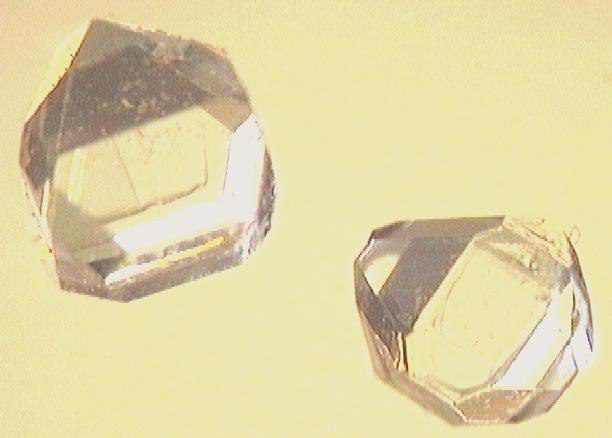
Archive photograph of xylitol crystals. It does not represent a dose used in the study or a specific consumer product. Photo: Anders Østergaard Madsen, Wikimedia Commons, CC BY-SA 3.0.