India’s H1N1 Surge Is Seasonal, ICMR Says No New Strain Detected

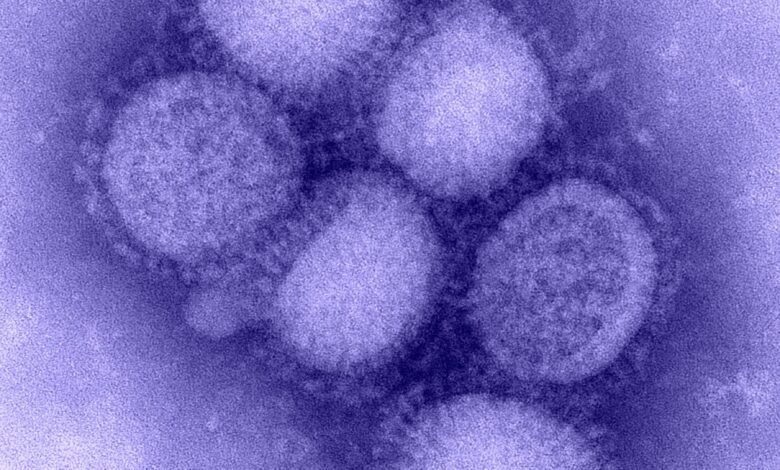
India’s current rise in Influenza A(H1N1) infections is being driven by a familiar seasonal lineage rather than a newly emerged strain, according to the Indian Council of Medical Research. The finding should reduce fears of a new pandemic, but it does not mean influenza is harmless or that rising local caseloads can be ignored.
The Union Health Ministry said on August 25 that genomic and epidemiological surveillance had identified the circulating viruses as A/Missouri/11/2025(H1N1)pdm09-like. Analysis of the haemagglutinin gene placed them in clade 6B.1A.5a2a, subclade D.3.1.1, a lineage detected continuously in India since 2025.
What the genetic finding means
Influenza viruses change gradually as they circulate. This process, known as antigenic drift, produces small genetic differences over time and is one reason seasonal vaccines are reviewed regularly. ICMR said the changes found in the latest samples fit that expected pattern and do not show an unusual genetic shift or a new, more dangerous virus.
The conclusion is based on a network of 73 DHR-ICMR Virus Research and Diagnostic Laboratories used for current influenza surveillance. India also has a larger diagnostic laboratory network for emerging infections; the figure of 73 refers specifically to the network cited in the present genomic assessment and should not be confused with every laboratory capable of viral testing.
Global data provides useful context. The World Health Organization’s update for the week ending August 9 said overall influenza positivity remained below 10 per cent globally. H1N1pdm09 was the predominant reported influenza A subtype in Western, Southern and South-East Asia, while other regions were dominated by H3N2 or influenza B. A regional predominance does not by itself establish an exceptional outbreak.
Seasonal does not mean risk-free
Most otherwise healthy people experience fever, cough, sore throat, headache, body ache, fatigue or weakness and improve with rest, fluids and supportive care. The virus can nevertheless cause pneumonia, worsen chronic disease or produce severe respiratory illness in a smaller group.
People at higher risk include young children, older adults, pregnant people, those with weakened immunity and patients with underlying heart, lung, kidney, metabolic or neurological conditions. Persistent fever, breathing difficulty, confusion, bluish lips, dehydration, chest pain or a return of severe symptoms after initial improvement require prompt medical assessment.
A positive H1N1 result does not automatically require hospital admission. Testing and treatment decisions depend on symptoms, risk factors and clinical judgment. Antiviral medicines can be important for severe or high-risk cases, especially when started early, but they should be taken on medical advice. Antibiotics do not treat influenza viruses and should not be used without evidence of a bacterial infection.
Practical prevention
People who are unwell should stay home where possible, avoid close contact with vulnerable relatives and cover coughs and sneezes. Regular handwashing, improved indoor ventilation and cleaning frequently touched surfaces can reduce transmission. Masks can provide additional protection in crowded or poorly ventilated settings, particularly for symptomatic or high-risk people, but recommendations may vary with local conditions.
Seasonal influenza vaccination is primarily intended to reduce severe illness and complications. Patients should ask a qualified clinician whether and when vaccination is appropriate for their age, medical history and local vaccine availability. Vaccination does not cause influenza, although temporary soreness or mild fever can occur.
How to read the surveillance
Case totals are influenced by who seeks care, which patients are tested and how quickly laboratories report. A rise in laboratory-confirmed cases can reflect both greater transmission and more intensive surveillance. Hospitalisation, intensive-care use, deaths and the proportion of tests that are positive are therefore important alongside a simple cumulative count.
ICMR’s reassurance is specific: it has not found evidence of a new or unusual strain. It is not a declaration that every district has low activity. Local health departments should continue reporting dated, clearly defined indicators so the public can distinguish a manageable seasonal wave from an unexpected increase in severe disease.