Typhoon Narra Floods Southern China, Forcing 54,000 Evacuations

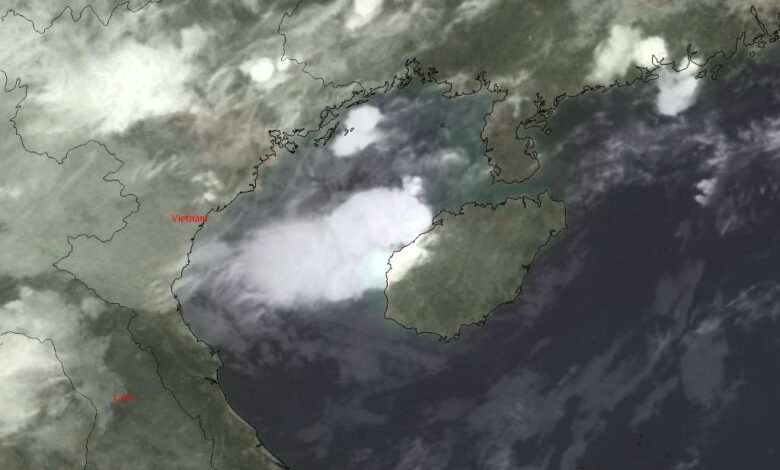
Flooding associated with Typhoon Narra has forced authorities to relocate about 54,000 people in China’s Guangxi region after rivers rose above previous records and water reached rooftops and power lines in parts of Chongzuo. Heavy rain is expected to continue across southern China and parts of Vietnam.
More than 15,000 people were evacuated in Chongzuo alone after water levels exceeded the record set in 2008. Local authorities ordered businesses and tourist operations to stop and warned residents not to return to high-risk areas while river levels remained dangerous.
A slow-moving rain threat
Narra lingered over the Beibu Gulf for several days before making landfall on Hainan as a tropical storm on Tuesday evening. Even when a tropical cyclone does not retain typhoon-strength winds at landfall, a slow or moisture-rich system can produce destructive flooding over a wide area.
Rain affected Guangxi, Hainan and Guangdong, with torrential conditions also forecast for Fujian and parts of Vietnam. Mountainous terrain can intensify runoff, while water entering upstream tributaries may raise downstream rivers after the heaviest local rain has ended.
Floodwater in Chongzuo entered homes and covered roads. Conditions around power lines are especially hazardous because standing water can conceal electrical equipment and damaged infrastructure. Residents should not attempt to walk or drive through flooded areas simply because rainfall has eased.
Why records matter
A river exceeding its 2008 high is not merely a statistical milestone. Flood maps, bridge clearances, drainage systems and evacuation zones are often designed around previous extremes. When water rises beyond those assumptions, locations considered marginally safe can become exposed.
Authorities should publish gauge locations, observed levels and forecast peaks so communities can understand the basis for evacuation decisions. Records should also be reviewed after the event to update infrastructure standards and land-use planning.
Rapid urban development can worsen flooding by replacing absorbent ground with concrete and constricting natural channels. Maintenance of drains and reservoirs matters, but extreme rainfall can exceed even well-managed systems. Both immediate response and long-term planning are necessary.
Evacuation and recovery
Moving 54,000 people requires more than transport. Shelters need safe water, sanitation, food, medicines, charging facilities and protection for children, older people and those with disabilities. Livestock and agricultural losses can also determine whether rural households can return safely.
When water falls, damaged buildings must be assessed before occupation. Drinking-water systems may be contaminated, mould can grow quickly and debris can hide sharp objects or unstable ground. Restoring electricity should be left to qualified crews.
Officials should document not only the number evacuated but also how many remain displaced, how many homes and farms were damaged and whether there were deaths or missing people. Early casualty figures can be incomplete when roads and communications are cut.
A crowded regional weather map
Narra is separate from Typhoon Saudel, which is affecting the western Pacific near Japan and Taiwan. Reporting should not combine casualties or rainfall from the two systems. Multiple storms at the same time can nevertheless strain forecasting, aviation, shipping and emergency resources across the region.
Climate change cannot be assigned as the cause of a single cyclone without formal attribution analysis. Warmer air can hold more moisture, however, and rising sea levels increase the baseline for coastal flooding. Communities therefore need plans designed for extremes beyond the historical average.
The immediate priority is keeping evacuated residents away from unstable riverbanks and inundated neighbourhoods until official inspections confirm that return routes and utilities are safe. The longer-term test will be whether the record flood produces better warning systems and more resilient rebuilding before the next storm arrives.