UN Land Summit Ends With Drought Pact Deferred Despite Worsening Global Risk

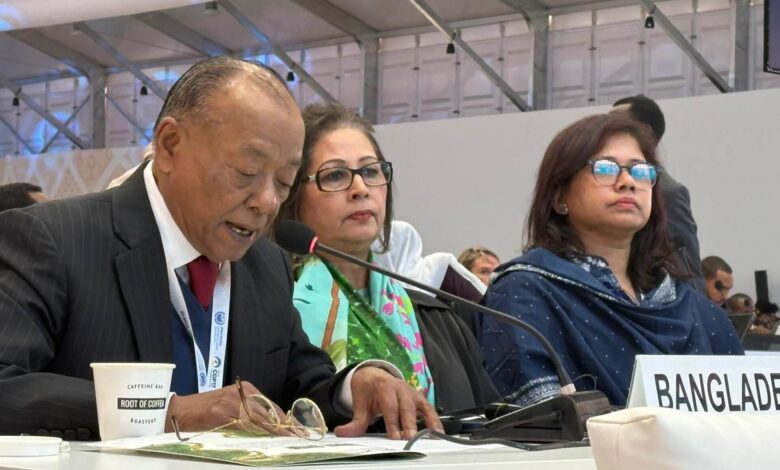
Nearly 200 countries concluded two weeks of United Nations talks on land degradation and drought in Ulaanbaatar on Friday without resolving whether the world needs a legally binding drought agreement.
The seventeenth Conference of the Parties to the UN Convention to Combat Desertification brought governments, scientists, farmers, pastoralists, Indigenous representatives, civil society and financial institutions together under the theme ‘Restoring Land. Restoring Hope.’
The unresolved drought question
Countries agreed to continue work on drought resilience but postponed a decision on a binding global instrument until the next conference, scheduled for Egypt in two years. The disagreement matters because droughts increasingly cross borders through food prices, migration, river systems and supply chains, while national response capacity varies widely.
A treaty could create clearer obligations and reporting rules, but some governments are cautious about new legal commitments, costs and the division of responsibility between wealthier states and countries already facing severe land stress. Deferring the question preserves negotiations but leaves the present framework largely dependent on voluntary national action and financing.
Land degradation is already an economic crisis
UNCCD estimates that up to 40 per cent of the planet’s land is degraded. The damage affects soil fertility, water retention, biodiversity and the ability of farms and rangelands to support livelihoods. The convention has put the annual global economic cost as high as $900 billion.
Drought is becoming more frequent, intense and prolonged, including in regions that were not considered highly vulnerable a decade ago. Climate change amplifies the problem, but land clearing, poor irrigation, overgrazing, soil erosion and unsuitable farming practices can determine whether a dry period becomes a disaster.
Rangelands and restoration
The Ulaanbaatar meeting gave unusual attention to rangelands, which cover more than half of the Earth’s terrestrial surface and support hundreds of millions of pastoralists. Roughly half of those landscapes are considered degraded. Sustainable grazing, secure land rights, restoration finance and better drought forecasting were discussed as food-security and national-stability issues, not only environmental policy.
Restoration can include rebuilding soil organic matter, protecting watersheds, managing grazing pressure, restoring native vegetation and improving water use. It is not a substitute for cutting greenhouse-gas emissions, but healthy land stores carbon, absorbs rainfall and gives communities greater protection against heat and drought.
What follows COP17
Official decisions and the conference report will guide the convention’s programme, budget and strategic framework. Governments now face the more difficult task of translating international language into land-tenure reform, agricultural extension, early-warning systems, investment standards and measurable restoration projects.
The outcome is therefore mixed. COP17 maintained cooperation and elevated drought and rangelands, but it did not settle the strongest proposed legal response. Progress before the next conference will be judged by restored hectares, protected livelihoods and reliable finance rather than the number of declarations issued in Ulaanbaatar.