US Orders ‘Lake America’ Name for Federal Use, but Canada Keeps Lake Ontario

US President Donald Trump has signed an executive order directing American federal agencies to refer to Lake Ontario as ‘Lake America,’ adding a symbolic territorial dispute to already strained relations with Canada.
Executive Order 14420 instructs the US secretary of the interior and the Board on Geographic Names to update the federal Geographic Names Information System within 30 days and use the new name on federal maps, contracts, documents and communications.
What the order can and cannot do
The president can direct naming conventions used by the US federal government. The order does not change the international boundary through the lake, transfer Canadian waters or require Canada’s federal or provincial governments to change their maps. It also cannot compel the International Hydrographic Organization, commercial map providers, schools or foreign governments to adopt the name.
Lake Ontario is shared by New York state and the Canadian province of Ontario and forms part of the Great Lakes-St Lawrence Seaway system. Its waters support drinking supplies, electricity generation, shipping, fisheries, recreation and major cross-border economies. Treaties and binational institutions govern many aspects of water management and navigation.
Arguments in the order
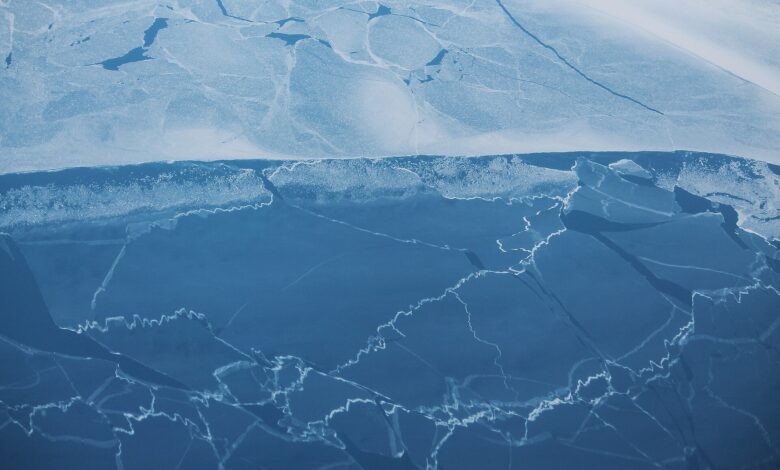
The White House said the change honours American investment, security and commerce on the Great Lakes. It cited US Coast Guard icebreaking capacity, environmental spending and the lake’s role in American settlement, industry and defence. Those claims explain the administration’s rationale but do not create exclusive US authority over a shared geographic feature.
Canada continues to use Lake Ontario. The province itself carries the historic name, derived from an Indigenous-language source, and Canadian officials have rejected the broader idea that Washington can unilaterally redefine shared geography.
Trade conflict in the background
The naming order follows a sharp escalation in the US-Canada trade dispute. Washington imposed a 50 per cent tariff on C$27.6 billion of Canadian goods effective 22 August after negotiations broke down. Ottawa announced matching counter-tariffs, dollar for dollar and rate for rate, and a C$7.5 billion support package for affected workers and businesses.
Tariffs at that level can raise costs for manufacturers whose supply chains cross the border several times, as well as for consumers buying food, metals, machinery and household products. The naming dispute has no direct tariff mechanism, but it reinforces the political confrontation and could make compromise harder.
Practical impact
Americans may begin seeing ‘Lake America’ on federal products after implementation, while Canadian and many international references remain ‘Lake Ontario.’ Dual naming is therefore likely, at least in the short term. Navigational safety, environmental monitoring and treaty obligations depend on coordinates and agreed procedures rather than political labels, so routine binational operations can continue even while governments use different names.
The durable issue is not cartography but whether the two countries can prevent symbolic conflict and retaliatory tariffs from damaging one of the world’s most integrated economic relationships.