
Nepal’s ‘DNA-coded burial’ system explained: how numbered records can identify victims later

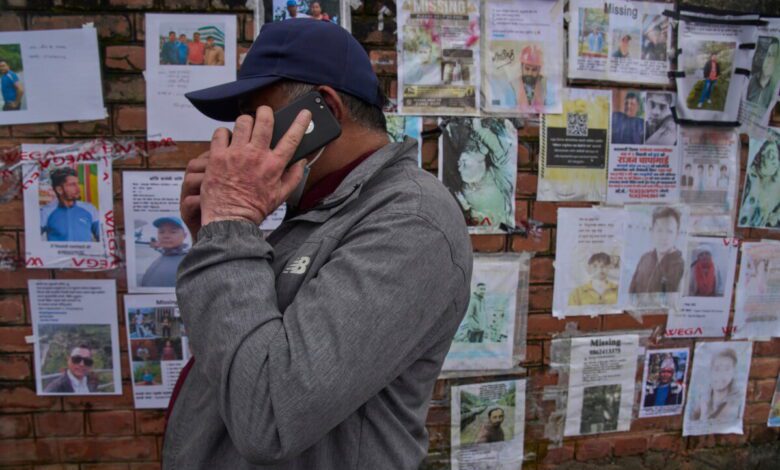
Nepal’s response to unidentified victims of the Bhotekoshi disaster is sometimes described as “DNA-coded burial.” The phrase is useful shorthand, but DNA is not simply written on a grave marker. Authorities are building a linked forensic record so a temporarily interred body can still be identified when a family later provides a comparison sample.
Prime Minister Balendra Shah said unidentified remains would be managed only after DNA and other identifying evidence had been preserved. The government said remains were being placed in airtight bags under Nepal’s Unidentified and Unclaimed Bodies Management directive. The Associated Press reported that records include a reference number, photographs and distinguishing features alongside biological samples.
How family matching works
A Nepal government notice says at least one first-degree relative — a father, mother, son or daughter — should provide a fresh blood sample. Samples can be collected through the pathology laboratory at Nepal Police Hospital in Maharajgunj or a district police office. Relatives abroad may obtain a DNA profile where they live and send it through the official Nepal Police channel for comparison.
The Embassy of India in Kathmandu lists the wider identification chain for foreign nationals: documentation of the remains, recorded photographs and details, post-mortem examination, confirmation of cause of death, formal identification, forensic sampling, identity-document checks and consular coordination. It says Nepal will facilitate matching where visual identification is impossible or remains have already been temporarily interred.
Why numbering and chain of custody matter
A DNA match establishes a biological relationship; it does not by itself supply a person’s name. Investigators must connect the laboratory profile to the correct numbered record and reconcile it with family information, documents and other evidence. Accurate labels, secure storage and an auditable chain of custody are therefore as important as the laboratory test.
Families should use official police or consular channels rather than sending genetic records to people who contact them through social media. Identification can take time, especially when samples are degraded or several relatives are missing, but preserving evidence before burial keeps open a route to later recognition and dignified handover.
Sources: Government of Nepal DNA-sampling notice; Embassy of India identification procedure; Kathmandu Post report on the government directive; Associated Press report on numbered temporary burials.
A man looks at photographs of people missing after the floods outside a Kathmandu hospital. Photo: Niranjan Shrestha/Associated Press.




