ISRO’s GSLV-F17 places EOS-05 into transfer orbit, opening a new geosynchronous imaging mission

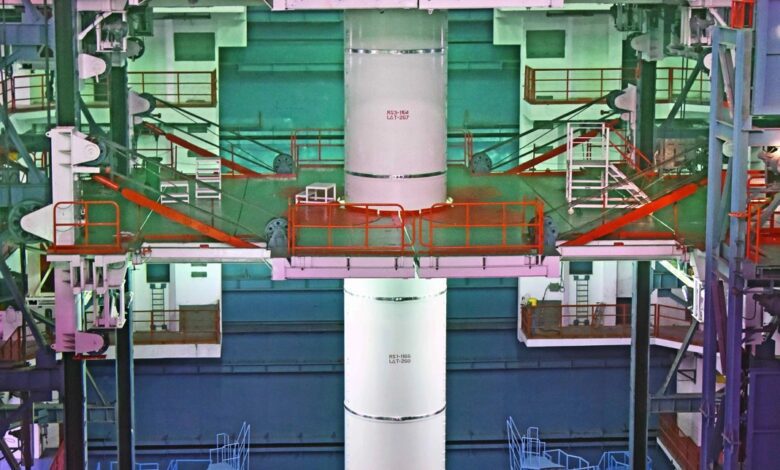
India’s GSLV-F17 rocket has successfully placed the EOS-05 Earth-observation spacecraft into its intended sub-geosynchronous transfer orbit, the Indian Space Research Organisation confirmed after an early-morning launch from Sriharikota.
The rocket lifted off from the Second Launch Pad at Satish Dhawan Space Centre at 2:55 am IST on September 4. ISRO describes the mission as the 19th flight of the Geosynchronous Satellite Launch Vehicle and EOS-05 as India’s first imaging satellite intended to operate from geosynchronous orbit.
Transfer orbit is not the final operating position
Reports based on the mission timeline say the 2,367-kilogram satellite separated roughly 18 minutes after launch. “Sub-geosynchronous transfer orbit” is an intermediate elliptical path. The spacecraft must use its own propulsion and navigation sequence to raise and circularise its orbit before routine operations can begin.
That distinction prevents two common overstatements. Successful rocket injection confirms the launch phase; it does not by itself confirm that every later manoeuvre, instrument checkout or operational service has been completed. ISRO had not yet published a full commissioning result in the sources reviewed for this report.
Why a high-altitude imager matters
A geosynchronous satellite circles Earth at the same rate that the planet rotates. Positioned appropriately, it can repeatedly observe a broad region instead of passing over it briefly like a lower-orbiting satellite. Persistent viewing can support rapid monitoring of weather systems, environmental change and other evolving events, although the exact products and access rules depend on the payload and commissioning plan.
EOS-05 also follows the unsuccessful GSLV-F10/EOS-03 mission of August 2021. The new launch therefore restores the attempt to establish an Indian geosynchronous imaging capability while adding another successful flight to the GSLV programme.
Sources: ISRO mission page and outcome; ISRO GSLV flight list; Space.com launch timeline and payload mass.
GSLV-F17 during integration for the EOS-05 mission. Photo: ISRO mission gallery.