Modi and Xi Meet at BRICS as India-China Ties Test a Cautious Reset

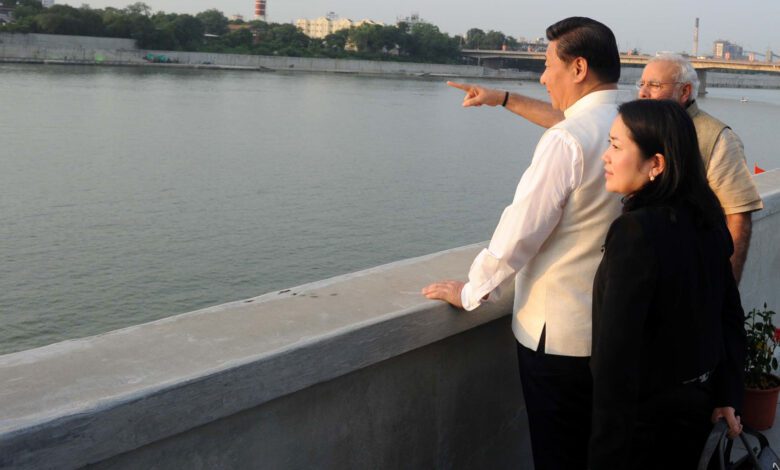
Prime Minister Narendra Modi and Chinese President Xi Jinping met in New Delhi on 12 September on the sidelines of the BRICS summit, adding momentum to a cautious effort to stabilise relations between Asia’s two largest powers.
The meeting came after years of strain following the deadly 2020 border clash. Both governments have since taken steps to restore some official exchanges, but the border remains the central test: economic engagement is difficult to separate from confidence that the disputed frontier will remain peaceful and managed.
Border stability remains the foundation
India’s account of the meeting stressed that peace and tranquillity along the border are essential to normal ties. The leaders also discussed a fair and mutually acceptable settlement of the boundary question, according to reports on the summit. That language is familiar, but its renewed prominence matters because both countries are trying to lower the risk that a local military incident could again derail diplomacy.
For readers, the practical point is that a diplomatic meeting is not a settlement. The frontier dispute is longstanding, and changes in troop deployments, patrol arrangements or formal negotiating mechanisms will be more meaningful than the optics of one summit encounter.
Trade, market access and supply chains
The agenda also included trade imbalances, market access and supply chains. Those issues have become more politically sensitive as governments seek to reduce dependence on a small number of suppliers for critical minerals, electronics, energy equipment and other strategic goods.
At the wider BRICS gathering, Modi warned that geopolitical tensions, supply-chain disruption and climate stress are increasingly affecting ordinary people. The summit underlined a shared interest among BRICS members in greater influence for developing economies, even as members retain serious differences on security, trade and regional politics.
What to watch next
The next indicators will be whether official border talks produce tangible risk-reduction measures, whether travel and business exchanges expand, and whether discussions on trade deliver concrete improvements in market access. None of those outcomes is automatic. A more stable relationship would be consequential not only for India and China, but also for regional supply chains and Asian security.
Sources
- Associated Press report on the Modi-Xi meeting
- Associated Press report on the BRICS summit
- Featured-image provenance