NASA Tracks September Heat Dome Across Central and Southern United States

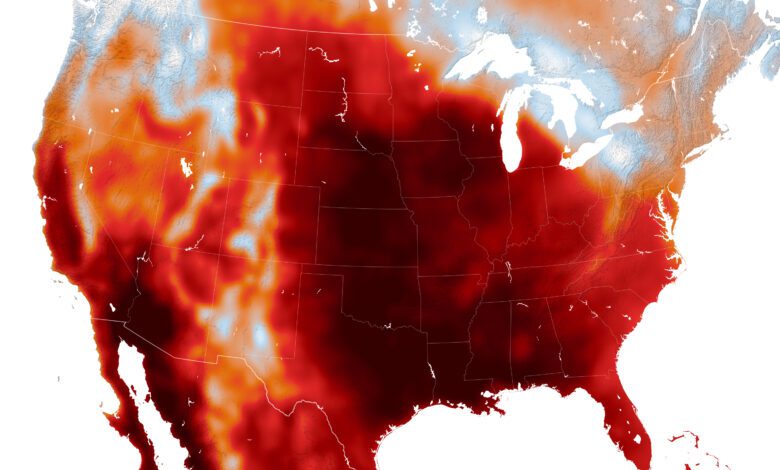
NASA Earth Observatory says a heat dome pushed temperatures across the central and southern United States to unusual, and in some places record-breaking, levels as the September equinox approached. The agency’s September 17 analysis used the GEOS atmospheric model to map air temperatures on September 15, when a broad area of high pressure trapped hot air over the region.
The image shows modeled temperatures at about two metres above the ground, not a thermometer reading from every location. That distinction matters. Models help scientists describe the shape and movement of a weather system, while official records come from observing stations and local weather services. Together, those sources explain why residents experienced intense heat even as the calendar moved toward autumn.
How a heat dome works
A heat dome forms when persistent high pressure encourages air to sink and warm while limiting the movement of cooler air. Clear skies can increase daytime heating, and dry ground can reduce the cooling effect of evaporation. When the pattern remains in place, temperatures rise for several days and nights, increasing stress on people, animals, electricity systems and crops.
The exact conditions vary across the region. Urban areas may remain warmer overnight because buildings and roads store heat. Rural communities may face agricultural losses or water stress. People without reliable air conditioning, outdoor workers and older adults can be especially vulnerable. The most dangerous part of a heat event is often the lack of nighttime relief.
Why September heat attracts attention
Heat in late summer is not unusual in the United States, but the timing and intensity of this event drew attention because records were falling in parts of the central and southern states. The NASA analysis did not claim that every community broke a record or that one weather event alone proves a climate trend. Climate conclusions require long-term observations and attribution studies.
Even so, weather and climate are connected. A warming climate raises the baseline from which heat events develop, while local circulation and soil conditions determine the intensity of a particular episode. Scientists therefore study both the immediate weather pattern and the wider record of increasingly frequent or persistent extremes.
Public-health and infrastructure concerns
Heat affects the body’s ability to cool itself. Dehydration, heat exhaustion and heatstroke can develop quickly, especially during outdoor work or exercise. Hospitals may see more patients with cardiovascular and respiratory problems. Officials typically advise people to drink water, avoid strenuous activity during the hottest hours, check on neighbours and use cooling centres where available.
Electricity demand can rise when households use air conditioners at the same time. Power systems must balance the need for cooling with the risk that heat can reduce the efficiency of equipment and increase fire danger. Crops and livestock can also suffer when heat arrives during critical growing or production stages.
What happens next
Weather systems change, and the heat dome should not be treated as a permanent forecast. The useful next steps are to follow National Weather Service alerts, local heat advisories and health guidance. NASA’s map provides scientific context, but people should rely on local forecasts for decisions about travel, outdoor work and emergency planning.
The main lesson is that seasonal labels do not guarantee seasonal conditions. A late-summer heat dome can produce serious risks even when cooler weather is expected soon. Accurate reporting requires both facts about the current weather and restraint about what the event can prove about the long-term climate.
Communities can reduce exposure by opening cooling centres, adjusting outdoor work, checking on isolated residents and sharing warnings in multiple languages. Employers have a responsibility to provide water, rest and shade when heat threatens workers. Schools and sports organisers may need to change schedules. Those measures are not signs of alarmism; they are routine public-health planning for a hazard that can become dangerous before people recognise the symptoms.
Longer term, cities can combine heat alerts with tree cover, reflective surfaces, building standards and reliable public transport. These investments do not stop every heat dome, but they can lower exposure and protect people who cannot simply turn up the air conditioning. NASA’s analysis is a reminder that weather information is most useful when it leads to practical preparation.