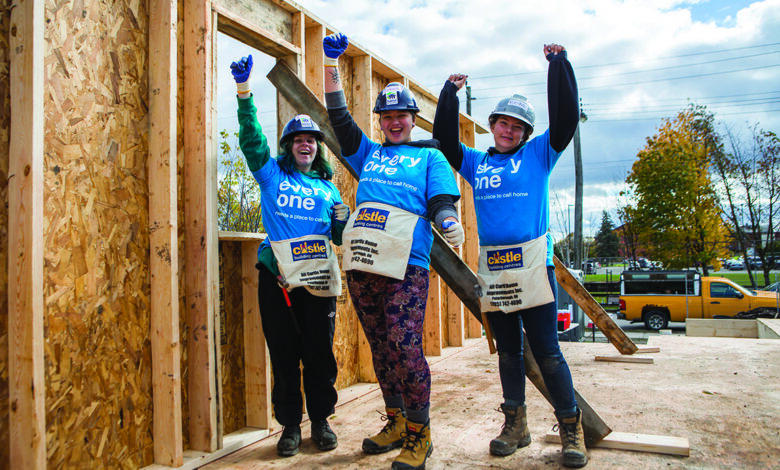
Habitat for Humanity Guelph Wellington launched a three-day initiative in Elora, Ontario, designed to teach more than 150 young people about affordable-housing advocacy and skilled trades. Hands On For Housing was scheduled for November 6–8, 2024 at the GrandWay Events Centre.
Putting young people into the housing discussion
Karyn Boscariol, the local Habitat chapter’s communications and resource-development director, said youth voices were often absent from housing policy even though younger generations face high rents and difficult paths to ownership.
The conference aimed to give participants enough knowledge to advocate for themselves and their communities. Advocacy education can include how planning, finance, zoning, construction costs and public programmes affect housing supply and access.
Learning through practical projects
Participants were expected to join workshops and hands-on building activities. Practical exposure can introduce carpentry, electrical work, plumbing, safety and project coordination without pretending that a three-day event replaces certified training.
Safe instruction requires qualified supervision, protective equipment and tasks suited to participants’ ages and experience. Skilled trades are professional careers governed by technical standards, apprenticeships and workplace-safety duties.
Why housing and trades belong together
Canada’s housing shortage is not only a question of approving land. Projects also need people able to build, renovate and maintain homes. An aging workforce and shortages in particular trades can delay delivery even when financing and permits exist.
Training more workers can expand capacity, but it does not by itself make homes affordable. Land cost, interest rates, infrastructure, materials, profit expectations and public subsidy remain influential.
The Habitat model
Habitat for Humanity helps qualifying households reach stable home ownership through its local programmes. Eligibility, financing and volunteer participation vary, so the model should not be described as simply giving away houses.
Its projects serve some families well but cannot substitute for the full range of rental, supportive, co-operative and public housing required across income levels.
Community participation
Organizers invited political leaders, housing advocates, businesses and community organizations. Bringing these groups together can connect youth ideas with decision-makers and create pathways to apprenticeships or continued civic participation.
A conference should not use young people only as a photo opportunity. Organizers can show respect by publishing what participants recommended and tracking which commitments received follow-up.
Hope grounded in evidence
Boscariol wanted youth to leave with pride, urgency and a sense of control over housing’s future. That message is valuable when young adults are frequently told that affordability is beyond repair.
Hope becomes credible when paired with concrete information: local vacancy rates, building timelines, tenant rights, entry requirements for trades and ways to speak at municipal meetings.
Measuring the initiative
Useful outcomes include participant knowledge, completion of projects, apprenticeship inquiries, continued advocacy and whether decision-makers act on proposals. Expansion to other communities should follow evaluation rather than attendance alone.
Hands On For Housing linked two genuine needs: giving young people a voice in policy and building the workforce required for more homes. Its long-term value would depend on whether three days opened durable routes into civic action, training and employment.