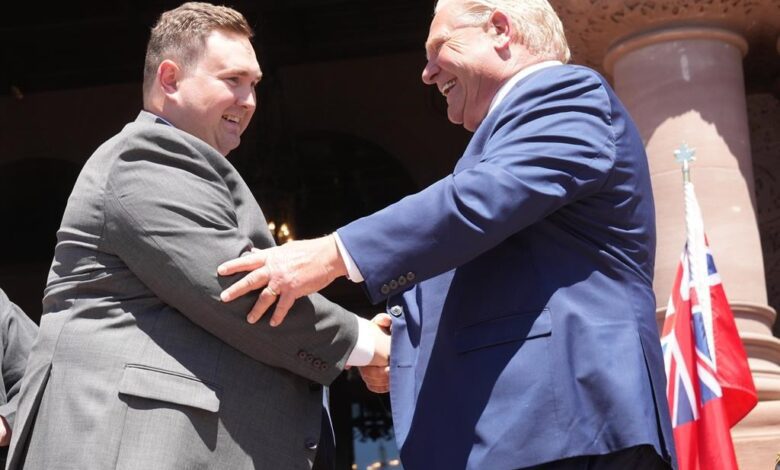
Ontario Citizenship and Multiculturalism Minister Michael Ford announced on September 20, 2024, that he was immediately taking a temporary leave from cabinet and his duties as a member of provincial parliament for health reasons. He said he intended to focus on his well-being for several months.
The statement gave a limited explanation
Ford said he had spoken with Premier Doug Ford and reached the decision after careful thought. His office clarified that the leave covered both ministerial responsibilities and his work as MPP for York South–Weston.
No detailed diagnosis was disclosed, and responsible reporting should not speculate about private medical information.
A cabinet leave requires continuity
Ministerial files cannot simply pause when an office-holder steps away. The premier can assign another minister to act temporarily or reshuffle cabinet, while deputy ministers and public servants maintain routine administration.
Major political decisions remain accountable to the replacement minister and legislature.
Constituency service also needs coverage
MPP offices help residents navigate provincial programmes, petitions and casework. Staff can continue many functions during a member’s absence, but the legislature and caucus must provide clear contact arrangements.
A temporary leave does not itself create a vacant seat or trigger a by-election.
Ford was elected in 2022
He won York South–Weston from the New Democratic Party by fewer than 1,000 votes and was appointed citizenship and multiculturalism minister soon afterward. Before provincial politics, he had served as a Toronto school-board trustee and city councillor.
That record formed part of the premier’s defence of his appointment.
The family relationship drew scrutiny
Michael Ford is Premier Doug Ford’s nephew. Critics raised concerns about nepotism when he entered cabinet, while the premier said his prior elected experience qualified him for the role.
The relationship was relevant context but did not establish anything improper about taking medical leave.
Health leave can serve the public interest
Public officials often face pressure to disclose more than other employees or continue working while unwell. A defined leave can protect recovery and allow duties to be reassigned instead of performed unpredictably.
Privacy should be balanced with basic transparency about who exercises official authority.
Return dates should not be treated as guarantees
Ford said he hoped to return within a couple of months. Medical recovery can change, so future announcements—not an initial estimate—should determine whether and when he resumes responsibilities.
Coverage should distinguish personal intention from an official resumption of office.
The essential facts were administrative
A minister and MPP temporarily stepped back, cited health and gave an approximate timeframe. The government then had to ensure uninterrupted leadership and constituency access.
The public was entitled to know how those duties would be covered, but not to unsupported conjecture about Ford’s condition. That boundary allowed legitimate scrutiny of cabinet accountability while respecting the same medical privacy that should apply to any person.
Official notices should identify the acting minister, effective dates and contact route for urgent decisions. The legislature should similarly record any formal absence, return or change in status. Those details provide accountability without intruding on health information.