
What We Know About the Deadly Pager Explosions in Lebanon
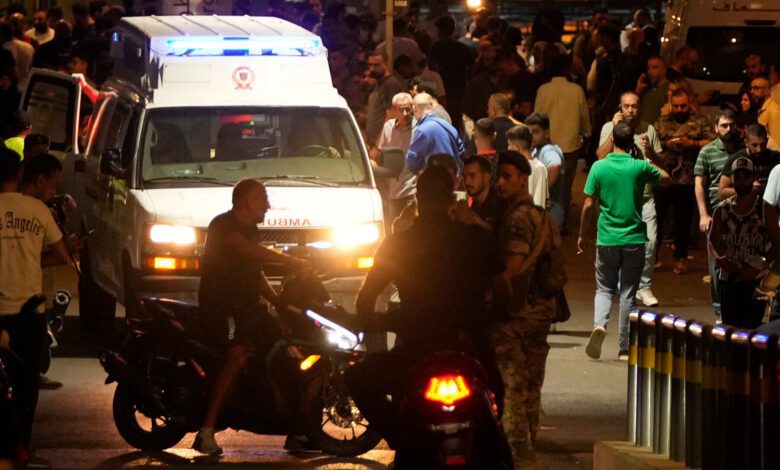
Thousands of pagers used by Hezbollah personnel exploded across Lebanon and parts of Syria on September 17, 2024, killing and injuring both members of the organization and civilians. A second wave involving handheld radios followed the next day, deepening fear and the risk of wider war.
The blasts were coordinated
The pagers detonated within a short period in Beirut’s southern suburbs, southern Lebanon, the Bekaa Valley and other locations. Hospitals received large numbers of patients with injuries to hands, faces and eyes.
Early casualty numbers changed as authorities reconciled hospital reports, so dated figures were essential.
Hezbollah had turned to low-tech communications
The Iran-backed Lebanese political and armed group used pagers partly to reduce exposure to smartphone tracking. That decision created a concentrated procurement chain which, investigators and security experts believed, had been penetrated.
Possession of a pager did not prove that every injured carrier was engaged in combat at the moment of detonation.
A battery explanation was implausible
Ordinary pager batteries do not contain enough energy to produce the repeated, violent effects visible in the incidents. Experts concluded that small explosive charges were probably concealed inside devices and triggered through a coordinated signal.
The exact manufacturing and activation sequence was initially uncertain and became the subject of investigations across several countries.
The brand trail was complicated
Images showed pagers bearing the Gold Apollo name. The Taiwanese company said the model had been produced under licence by BAC Consulting in Hungary, while Hungarian officials said the company was an intermediary and the devices were not made there.
Those statements exposed a layered supply chain but did not, on their own, identify who inserted explosives.
Hezbollah blamed Israel
Hezbollah and Lebanese officials attributed the operation to Israel. Israel did not publicly claim responsibility at the time, although numerous officials and later reporting widely connected Israeli intelligence to the attack.
Contemporaneous coverage needed to distinguish attribution, evidence and official confirmation.
Civilians were among the victims
The devices exploded in homes, shops, vehicles and other public settings. Children and health workers were among those reported killed or wounded, and people standing near targeted carriers had no control over the blast.
The pattern prompted legal concerns about distinction, proportionality and whether the location of each device could be known when triggered.
The radio explosions expanded the emergency
On September 18, walkie-talkies and other devices exploded during funerals and in communities already treating pager victims. The second wave caused additional deaths and hundreds of injuries.
Rumours about phones, appliances and unrelated electronics spread, requiring authorities and media to avoid amplifying unverified claims.
The event sharply escalated an existing conflict
Israel and Hezbollah had exchanged fire across the border since October 2023, displacing civilians in both countries. The device attacks exposed a profound security breach and made retaliation more likely.
The verified core was extraordinary enough without technical speculation: communications devices had been physically compromised and detonated at scale. Responsible reporting had to update casualty totals, investigate the procurement route, identify civilian harm and assess legal questions while resisting viral explanations unsupported by evidence.
It also had to place the attack inside the continuing regional conflict rather than treating it as a clever technological episode detached from its human consequences.



