
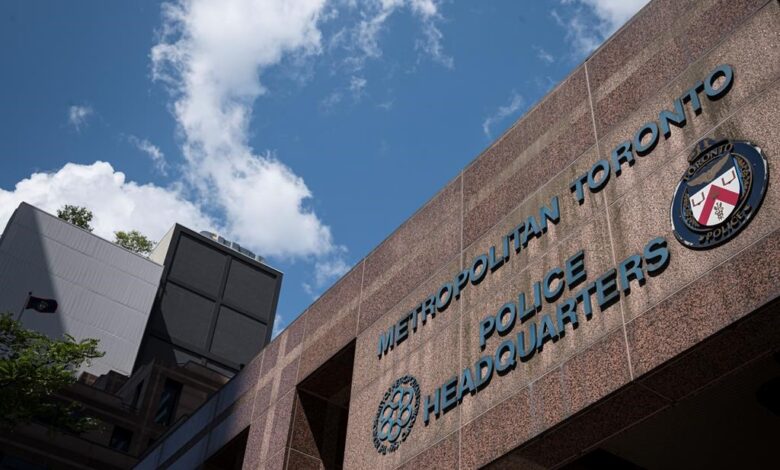
A man in his twenties died after emergency crews pulled him from Lake Ontario at Toronto’s Outer Harbour Marina on September 27, 2024. Police said he had been working on a boat before he was reported missing in the water, and Ontario’s Ministry of Labour was notified.
The emergency call came early in the afternoon
Toronto police received the report at about 1:26 p.m. Marine officers and other emergency responders searched the marina and located the worker in the water.
Life-saving measures began at the scene. He was transported to hospital in critical condition and later pronounced dead.
The cause was not immediately known
Initial public information did not explain how the man entered the water. It did not establish whether he fell, suffered a medical event or encountered an equipment problem.
Those distinctions require witness interviews, site examination and sometimes medical findings. Reporting an unconfirmed mechanism could mislead the public and cause additional harm to the worker’s family and colleagues.
A workplace death triggers more than a police response
Police examine whether a criminal act or public-safety issue occurred. The provincial labour ministry can investigate whether occupational-health and safety requirements applied and were followed.
Employers may be required to preserve the scene, provide records and comply with orders. Notification of the ministry does not by itself mean an employer violated the law.
Work around water carries overlapping hazards
Marina workers may move between docks, decks and vessels while handling lines, tools and unstable loads. Wet surfaces, wakes, wind and changing deck height can affect balance.
Cold water can quickly impair breathing and movement even when the air feels mild. A person who is injured or unconscious before entering the water has still less ability to self-rescue.
Prevention depends on the exact task
Guardrails, personal flotation devices, fall protection, safe access ladders and rescue equipment may be appropriate in different situations. No single control covers every activity on a boat or dock.
A proper risk assessment considers whether a worker is alone, how quickly someone can raise an alarm and whether rescuers can reach the water without becoming victims themselves.
Training must be usable in an emergency
Workers need to know where flotation rings, poles, ladders and first-aid equipment are located. Communication systems and emergency roles should function when noise, weather or distance makes ordinary conversation difficult.
Practice matters because cold-water shock and panic reduce the time available for decision-making. A written plan that staff have never rehearsed provides limited protection.
Privacy and accuracy should guide coverage
Authorities did not initially release the man’s name. Withholding identity until relatives are notified is standard and prevents a family from learning of a death through media or social networks.
Images of a rescue scene should also be handled carefully. Public interest in workplace safety does not require showing a victim’s final moments.
The investigation was the source of any final conclusion
The verified early sequence was limited: a young man working on a boat was reported missing, responders found him in Lake Ontario, and he died after being taken to hospital. The ministry was informed because the event involved work.
Anything beyond that sequence needed official findings. The purpose of follow-up is not to assign blame prematurely, but to determine what happened, whether safeguards were adequate and what changes could prevent another worker from dying in similar circumstances.



