The Wily Spy Who Risked His Life to Meet North Korea’s Secretive Leader
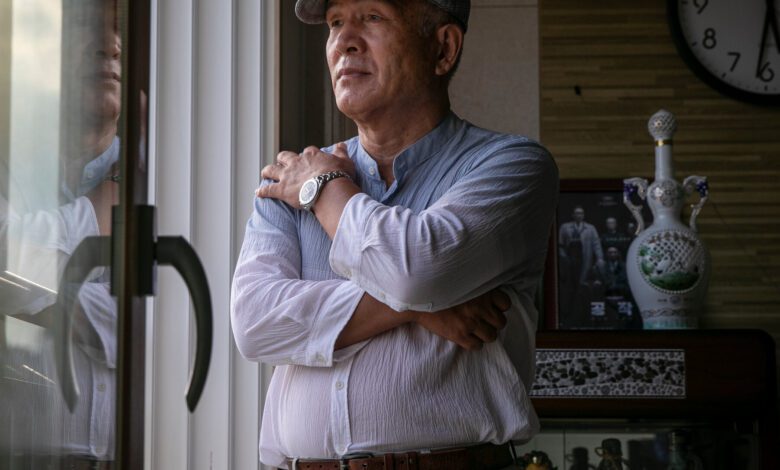
Park Chae-seo, the South Korean intelligence operative known by the code name “Black Venus,” penetrated North Korea’s political and commercial networks in the 1990s and ultimately met leader Kim Jong-il. His account offers a rare view of espionage built through patience, business credibility and constant personal risk rather than cinematic gadgets.
Park first created a convincing break with Seoul
Park had served in South Korean military intelligence before working for the Agency for National Security Planning, a predecessor of the National Intelligence Service. To approach North Korean contacts, he posed as a disgruntled former officer seeking commercial opportunities.
A cover story had to withstand scrutiny from people trained to detect infiltration. Public financial trouble and apparent resentment helped make his turn toward business plausible.
Advertising provided a route into the North
Park proposed filming South Korean television commercials at scenic North Korean locations. The idea promised hard currency for Pyongyang while allowing a businessman to request access that would have been extraordinary for an obvious government representative.
He established contacts in Beijing, including trade official Ri Chol, and gradually reached officials with links to the state-security apparatus. Each introduction depended on the trust created by earlier transactions.
Practical favours deepened his access
Accounts of the operation describe Park helping North Korean officials solve personal and commercial problems, including a dispute involving a relative of senior figure Jang Song-thaek. He also worked on deals involving art and tourism.
These activities were part of the cover, not proof that participants shared political loyalties. Intelligence relationships often grow from usefulness before they produce sensitive information.
A meeting with Kim Jong-il carried exceptional danger
Park was eventually invited to Pyongyang and met Kim in 1997. He has said he understood that exposure could mean imprisonment or death and that every visit to North Korea placed his life at risk.
The encounter demonstrated how far his commercial identity had travelled through the hierarchy. It also gave Seoul an unusually direct source of impressions about a leader largely hidden from foreign observation.
His mission became entangled in South Korean politics
Park later said he learned of efforts by South Korean political figures to encourage a North Korean provocation before the 1997 presidential election. The allegation concerned attempts to influence voters through fear of the North.
When information from the operation emerged, Park’s relationship with the state deteriorated. He was convicted in South Korea for disclosing classified information and served years in prison, while maintaining that political considerations shaped his treatment.
Parts of the story remain difficult to independently verify
Former officials and associates have corroborated significant elements, but neither North Korea nor Park’s former agency has provided a complete public record. Covert work rarely produces documentation that can be released without qualification.
Responsible reporting therefore separates Park’s first-person account from facts supported by other witnesses. The secrecy that made his access valuable also limits outside verification.
The operation later reached popular culture
The 2018 film The Spy Gone North dramatized Park’s story for a broad audience. Like any feature film, it condensed people and events and should not be treated as a documentary transcript.
The real significance lies less in individual scenes than in the method: a long commercial deception enabled contact across one of the world’s most controlled borders.
Park’s experience complicates the mythology of spying
His work involved moral ambiguity, manipulation and institutional abandonment alongside personal courage. It illustrates how intelligence agencies depend on people whose identities may become liabilities once a mission ends.
Park survived and could tell his version, but many details remain contested or secret. That uncertainty is not a reason to dismiss the account; it is a reason to report it with clear attribution and restraint.