
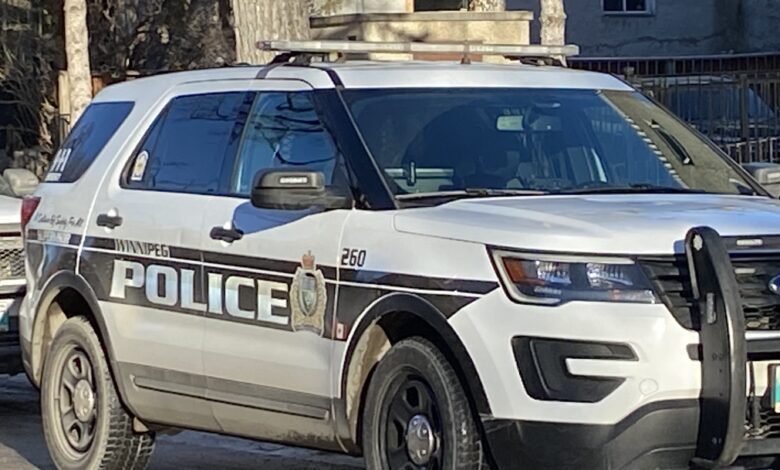
Winnipeg police took a youth into custody after a pellet gun was fired at Technical-Vocational High School on October 11, 2024. No one required medical attention, and the Winnipeg School Division said students and staff remained safe while police responded.
The known sequence
Officers were called to the school at approximately 12:30 p.m. for a weapons-related report. Police located a youth on the premises and continued investigating the circumstances after the immediate risk had been controlled.
A message sent to the Tec-Voc community confirmed that an incident occurred and that police had been contacted. The limited public statement did not identify the youth or provide a motive, target or detailed account of how the device was used.
Why a pellet gun triggers a serious response
Air guns can cause eye injuries, penetrate skin and, at sufficient velocity, produce life-threatening harm. Many also resemble conventional firearms closely enough that a responding officer or bystander cannot safely determine from a distance whether a weapon is a replica, an air gun or a firearm.
That uncertainty explains why schools and police treat a report as an urgent threat even when the object is later identified as a pellet gun and no one is hurt. The safe response is based on what could reasonably be happening at the time, not on hindsight.
No injury does not mean no impact
Students and employees may experience fear, disrupted classes or uncertainty during a lockdown, hold-and-secure or evacuation. Schools should communicate what protective action was used, when it ended and where families can obtain support without disclosing information that identifies a young person.
A review can also determine how the item entered the building, whether reporting channels worked and whether staff followed the emergency plan. Those questions are preventative; they should not become speculation about a student’s intent before investigators establish the facts.
Youth privacy and due process
Canada’s youth-justice rules generally restrict publication of information that could identify a young person accused of an offence. That protection recognizes the importance of rehabilitation and applies even when an incident attracts public attention.
Being taken into custody is not the same as being convicted or even necessarily charged. Police must determine what the device was, who possessed or fired it, whether anyone was threatened and which Criminal Code or other provisions may apply.
What families should reinforce
A pellet gun should never be brought to school, pointed at another person or displayed in public as a joke. It should be stored securely, used only in a lawful and controlled setting with eye protection, and handled according to its power, classification and local rules.
Students who see a possible weapon should move away, tell a trusted adult or call 911 if danger is immediate, and avoid confronting the person. Sharing rumours or unverified names online can increase panic and wrongly implicate someone.
Proportionate accountability
The school division and police needed to take the act seriously while responding to the individual circumstances. Appropriate consequences can include legal action, school discipline, safety planning and support addressing why the behaviour occurred.
The October report established a narrow set of facts: a pellet gun was discharged, a youth was detained and nobody needed medical care. Responsible coverage should preserve that boundary. Adding an imagined attack, gang connection or mental-health diagnosis would be both inaccurate and harmful, while minimizing the event as harmless because the device was not a conventional firearm would ignore the real risk it created.



