A Survivor of Clerical Sex Abuse Tells His Story at the Vatican
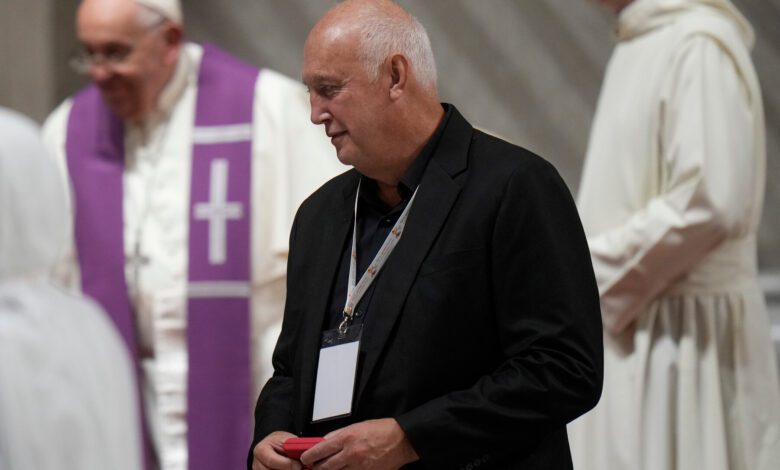
Laurence Gien, who survived sexual abuse by a Catholic priest in South Africa, addressed a penitential vigil in St. Peter’s Basilica on October 1, 2024. Speaking before Pope Francis and senior clergy, he challenged the Church’s secrecy and failures of accountability.
The testimony preceded a major synod
The vigil was held before the second assembly of the Synod on Synodality, a global process considering participation, governance and the future of the Catholic Church. Organizers framed public acknowledgement of institutional wrongs as necessary preparation.
Seven cardinals read requests for forgiveness concerning abuse, war, indifference to migrants, harm to women and other failures. A liturgical apology, however, is different from investigation, remedy or institutional reform.
Gien spoke as a survivor, not a symbol
He described being abused as a child and the lasting effect on his faith and life. His presence made it impossible for the service to discuss abuse only in abstract theological language.
Ethical reporting should avoid unnecessary intimate detail and should not use a survivor’s experience merely to dramatize a church event. The central facts are his testimony, his criticism of secrecy and the demands for justice that followed.
He identified institutional responsibility
Clerical abuse is not only a series of individual crimes. Transfers of accused priests, withheld records, pressure on families and inadequate cooperation with civil authorities allowed harm to continue in multiple countries.
Gien argued that when a powerful institution fails to protect vulnerable people, it treats justice as negotiable. That critique addressed governance as much as personal sin.
Cardinal O’Malley read the abuse petition
Cardinal Seán O’Malley, a long-time papal adviser on child protection, asked forgiveness for clergy who used religious authority to abuse children and vulnerable people. The wording acknowledged both the acts and the protection offenders received.
Survivor advocates have repeatedly said that apologies must be accompanied by records, independent reporting, removal from ministry, civil cooperation and compensation. Repentance without those measures can deepen distrust.
The location carried unusual significance
Survivors had long sought direct access to the highest levels of Church leadership. Hearing a survivor in the basilica before the pope, cardinals and bishops gave public recognition to testimony that institutions often resisted.
Visibility is not the same as power. Survivors also need a role in designing safeguarding systems and assessing whether bishops and religious orders comply.
South Africa formed part of a global crisis
Abuse investigations and accountability have developed unevenly between countries. Churches with fewer public inquiries or limited victim services can appear to have fewer cases simply because disclosure and records are weaker.
Universal standards should include safe reporting, trauma-informed support and referral to civil authorities. Local culture or church autonomy cannot justify concealment of a crime.
A later Vatican report reinforced the concern
In October 2024, the Pontifical Commission for the Protection of Minors issued its first annual report and called for greater transparency, access to case information and reparations. It warned that slow, opaque processes could retraumatize survivors.
That institutional assessment echoed the central issue raised at the vigil: credibility depends on what happens after testimony is heard.
The measure of the event is action
No survivor owes an institution forgiveness, continued participation or public disclosure. Responsibility rests with the institution and offenders, not with people harmed as children.
Gien’s address was historic because a survivor’s voice occupied a space normally reserved for senior clergy. Its lasting value will be judged by independent investigations, disclosure, safeguarding and meaningful redress. The Church asked forgiveness publicly; the harder obligation is to make secrecy less possible and justice less dependent on a survivor’s willingness to fight for decades.