
Indonesia’s Fire Response Expands as Haze Closes Thousands of Schools

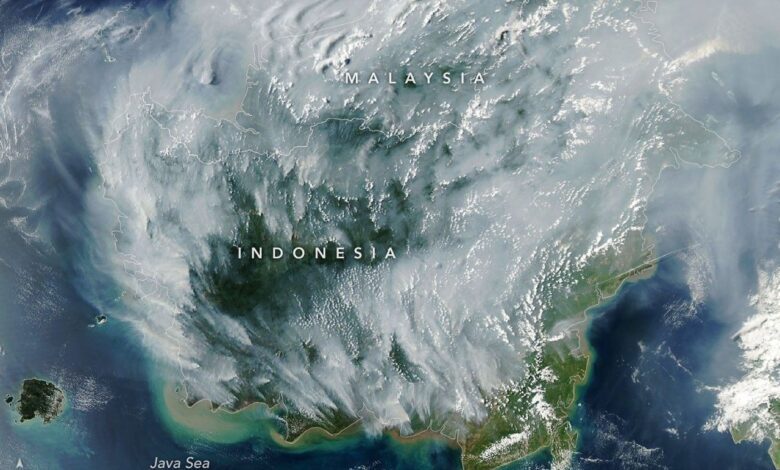
Indonesia’s fight against forest and peatland fires has moved beyond the fire line and into classrooms. Haze over parts of Sumatra and Borneo has led to thousands of school closures, with more than a million students moved to remote learning, according to reporting from the affected regions.
The disruption shows why peatland fires are so difficult to treat as a local emergency. Smoke can travel across districts and borders, while the underlying peat can burn below ground and reignite after surface flames appear to have been controlled.
Schools and public health are central to the response
Officials reported about 12,800 school closures and more than 1.4 million students learning remotely during the haze emergency. Temporary learning arrangements can reduce direct exposure, but they also create pressure on families, teachers and schools that may have limited access to reliable internet or devices.
Public-health advice during heavy smoke episodes typically focuses on reducing outdoor exposure, monitoring official air-quality information and prioritising people with respiratory conditions, young children and older adults. Local instructions should take precedence because conditions can vary sharply from one area to another.
Hotspots are only one part of the picture
Indonesia’s forestry ministry reported 688 high-confidence hotspots as of 3 September, while the national disaster agency described response operations across priority provinces. Hotspots are an important warning tool, but they are not a complete measure of burned area or smoke exposure. Weather, land conditions and fire depth all influence the damage.
Peatlands store large amounts of carbon. When drained or set alight, they can emit substantial smoke and greenhouse gases, making prevention, water management and rapid suppression as important as emergency response.
A regional test
Indonesia has strengthened prevention and enforcement after earlier severe haze seasons, yet recurring fires remain a regional climate and public-health challenge. The immediate test is whether response measures can protect communities and schools while limiting further spread during dry conditions.
Sources
- Associated Press report on school closures and haze
- Indonesia’s BNPB response update
- Indonesian Ministry of Forestry hotspot update
- Featured-image provenance



.jpg)