WHO Keeps Ebola Risk at Highest Level in DR Congo, Advises Against Travel Bans

The World Health Organization has kept its assessment of the Ebola outbreak at very high risk in the Democratic Republic of the Congo, with high risk in neighbouring border areas. Its latest update does not recommend general restrictions on international travel or trade.
As of 7 September, WHO reported 6,778 confirmed cases across the affected countries: 6,757 in the Democratic Republic of the Congo, 20 in Uganda and one in France. It reported 3,269 deaths. These figures describe a serious public-health emergency, but they should be read alongside the agency’s risk assessment and response guidance rather than as a reason for stigma or speculation.
What the risk assessment means
A very-high-risk assessment for the Democratic Republic of the Congo reflects the scale and complexity of response needs there. A high assessment for border areas recognises the need for surveillance, preparedness and rapid case detection where people and goods move across frontiers.
It does not mean that the virus is spreading unchecked everywhere. Risk assessments guide resource allocation, vaccination strategies where appropriate, infection prevention, community engagement and cross-border coordination.
Why travel restrictions are not WHO’s recommendation
WHO says it does not recommend general travel or trade restrictions. Broad restrictions can disrupt humanitarian work, trade and movement of essential staff without necessarily improving outbreak control. Evidence-based measures such as case detection, contact tracing, safe care and locally trusted communication are more directly tied to reducing transmission.
People should follow official public-health advice, particularly if they have been in an affected area or develop symptoms after a relevant exposure. Online rumours and images taken out of context can make a difficult response harder.
Use current official information
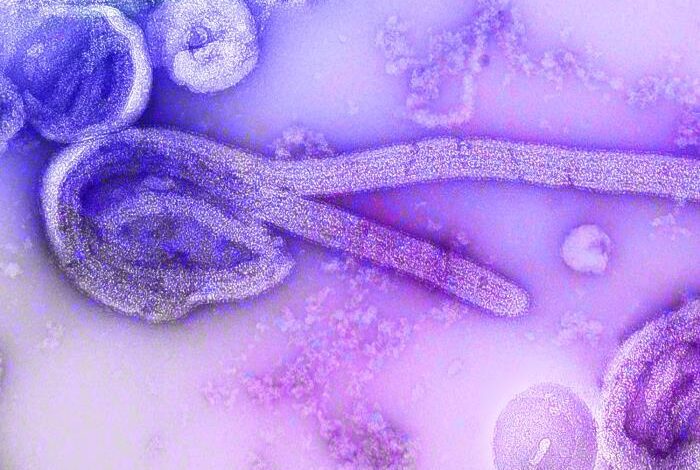
Outbreak figures and affected locations can change as investigations continue. WHO updates and national health authorities are the most reliable sources for the latest public guidance. This article uses an archival CDC electron micrograph only to illustrate the virus; it does not show the current outbreak.