
US midterm elections 2026: Democrats projected to win both chambers of Congress

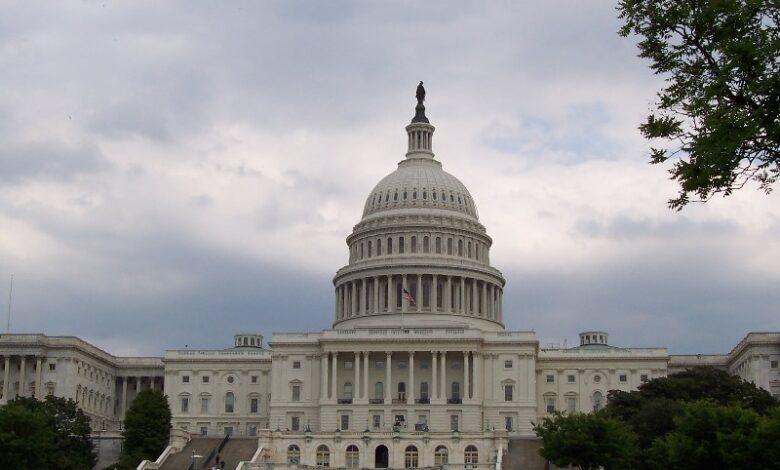
WASHINGTON — The Nov. 3 US midterm elections have shifted control of Congress: news organizations have projected that Democrats won majorities in both the House of Representatives and Senate, a sharp setback for President Donald Trump’s Republican Party. The result changes the political balance in Washington, but it does not immediately change who occupies the White House or automatically reverse federal policies.
These were midterm elections, held halfway through a presidential term. Voters chose all 435 House members, one-third of the Senate, governors and state and local officials. The Associated Press called control of both chambers after evaluating the remaining uncalled contests; its results coverage and call methodology explain that a projected winner is not the same thing as a completed legal canvass in every jurisdiction. State officials still certify results and address any recounts under local law.
What voters decided
The immediate outcome is a divided federal government: Democrats will control the House and Senate when the new Congress begins in January, while Trump remains president. That gives the opposition party the power to set committee agendas, choose chamber leaders, call hearings and decide which bills reach the floor. The Senate majority also controls confirmations and scheduling, subject to the chamber’s rules and the margins in individual votes.
It is tempting to reduce the result to one issue, but election-night surveys pointed to a mix of concerns. The AP voter-poll analysis reported dissatisfaction with the economy, inflation, the Iran conflict and government performance, alongside shifts among younger voters and Latino voters. Those surveys help explain how voters described their choices; they do not prove that every voter had the same motive or that a single national cause produced every state result.
Midterm maps are shaped by local candidates, turnout, state-level issues and which seats are contested. Senate elections are especially sensitive to the map because only a portion of the chamber is elected each cycle. A party can win the national popular vote by a wide margin and still have a narrow majority, or vice versa. Analysts therefore look at both the seat count and the constituency-level results before drawing conclusions about a lasting realignment.
What changes on Capitol Hill
Democrats have already begun describing priorities for the new House majority. Leaders say they want to focus on health care, the cost of living, immigration enforcement and legislation concerning the Iran war and tariffs. A new majority can hold hearings and pass bills, but a proposal still has to clear both chambers and be signed by the president—or survive a veto override. Any account that says a policy is already reversed is premature.
Congress controls federal spending and taxation, writes statutes, oversees agencies and can investigate executive actions. A House majority can issue subpoenas through its committees and decide whether to advance impeachment articles, but the Senate’s separate role and constitutional thresholds matter. The Senate majority can influence nominations, but procedural rules and individual senators can limit what leaders can pass. With a Democratic Congress and a Republican president, negotiation and gridlock are both plausible.
Ordinary voters may feel few immediate changes. The new members will not take office until January, and current law remains in effect unless Congress changes it or the executive branch acts within its legal authority. Agencies will continue administering programs. Businesses, state governments and families will be watching whether lawmakers avoid shutdowns and agree on funding, especially because budget deadlines create leverage for both parties.
Why certification still matters
Election calls are based on vote counts, not on a declaration of legal certification. Each state has its own deadlines for canvassing, recounts and certification. A close race may remain unresolved longer, and a recount can change a margin. That is normal process rather than evidence of fraud. Readers should distinguish a media organization’s projection from an official certified result and from an allegation made by a candidate.
The more durable story will emerge over the coming weeks: who leads committees, which bills are prioritized, how the parties respond to voter concerns and whether the result changes political strategy ahead of 2028. The midterms have given Democrats a chance to check the president and put their policy priorities into public debate. They have not given either party unlimited power.
There is also a state-level dimension. Governors and legislatures elected this cycle will shape education, healthcare, election administration and infrastructure in ways that can matter more immediately to residents than a congressional leadership change. State results do not always match the national swing, and their policy consequences depend on each state’s constitution and budget. A national headline about a “blue wave” or “red wave” can therefore conceal a more complicated map of victories and losses. Readers should check the results in their own state as well as the national control of Congress.
As of Nov. 8, this article describes projected control of Congress based on calls by major news organizations; state certification is continuing.