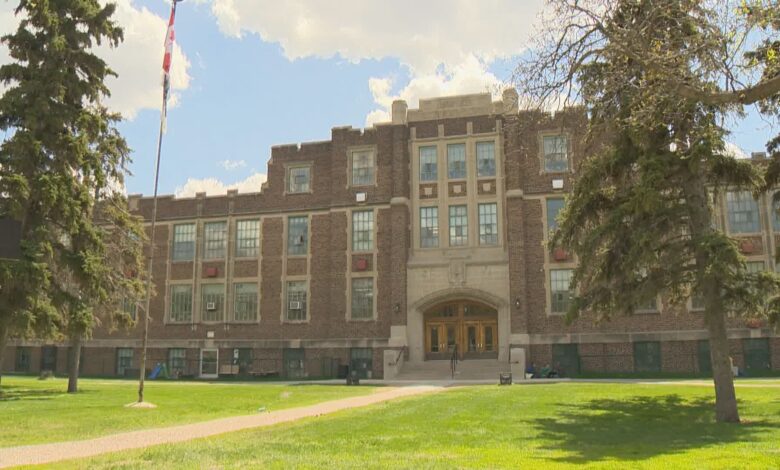
Saskatchewan’s largest urban school divisions reported substantial enrolment growth in fall 2024, adding pressure to classrooms, staff and buildings in Regina and Saskatoon. Division leaders said temporary space conversions and portable classrooms were not keeping pace with the number of new students.
How much enrolment increased
Compared with 2023, Saskatoon Public Schools reported 810 additional students and Greater Saskatoon Catholic Schools reported 920. Regina Public Schools added 873 students, while the Regina Catholic division enrolled almost 700 more.
Greater Saskatoon Catholic board chair Diane Boyko said her division had gained nearly 2,500 students over two years. She estimated that number was equivalent to the capacity of six or seven schools, while noting that the division had not opened a new school since 2017.
Making classrooms from other rooms
Divisions adapted by converting spaces, requesting relocatable classrooms and moving programmes. Regina’s Jack Mackenzie School had already turned a teachers’ lounge, library and dance studio into classrooms.
Those choices create seats but can reduce other parts of education. Losing a library, activity room or staff work area affects learning and working conditions even when class schedules continue.
Why portables are only a partial answer
Boyko said the Catholic division requested 36 portable classrooms in the previous year and received 28, then asked for another 28. Suitable land and utility connections limit how many units a school can add.
A portable provides teaching space but not automatically more washrooms, wider hallways, gyms, libraries or specialized rooms. Students may need to walk outdoors between buildings, which is a particular concern during Saskatchewan winters and for accessibility.
Population growth and planning
Rapid population growth can outrun capital planning because schools take years to approve, design and build. Provincial population forecasts, housing approvals and immigration patterns need to be connected to enrolment models early enough for land and funding decisions.
Forecasts contain uncertainty. Governments should publish assumptions and update them frequently rather than using one unexpected surge to justify either permanent overbuilding or continued crowding.
Operating funding also matters
A new room needs a teacher and may require educational assistants, custodians, transportation and student supports. Capital announcements alone do not address class composition or the workload created when more pupils arrive during the school year.
Students learning English, children with disabilities and families new to the province may need additional services. Growth funding should reflect those needs rather than treating every enrolment number as identical.
Measuring crowding honestly
Province-wide averages can hide severe pressure in particular neighbourhoods. Useful public data would show utilization by school, class sizes by grade, portable counts, converted spaces, projected development and the status of approved construction.
Officials should also explain boundary changes and transportation effects before relocating students. A seat in another part of a city is not equivalent if it requires a long daily bus ride or separates a child from established supports.
The decisions ahead
Both Saskatoon divisions said they were lobbying governments for more space and schools. Their 2024 figures supported the case for urgency, while each proposed project still required transparent evidence about location, capacity, cost and opening date.
Portables and conversions can provide responsible short-term relief. They become a warning sign when used indefinitely in communities with predictable growth. Saskatchewan’s task was to match capital and operating plans to the students already arriving, while preserving the libraries, common areas and services that make a building a functioning school rather than simply a collection of seats.