Tanzania Detains Opposition Party’s Top Leaders
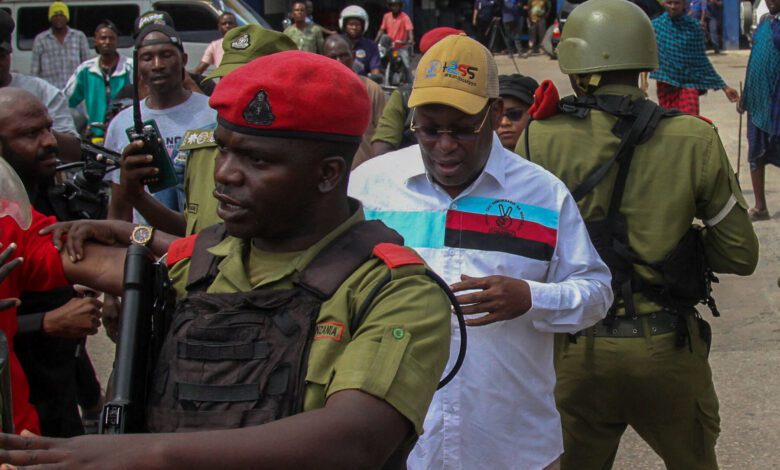
Tanzanian police detained senior leaders of the main opposition party Chadema on September 23, 2024 while preventing a planned demonstration in Dar es Salaam. Party chair Freeman Mbowe, deputy chair Tundu Lissu and other officials were among those arrested and later released on bail.
The protest concerned alleged abductions and killings
Chadema called the march after a series of disappearances and the killing of party secretariat member Ali Mohamed Kibao. Kibao had been taken from a bus, and his body was later found showing signs of severe violence.
President Samia Suluhu Hassan condemned the killing and ordered an investigation.
Police prohibited the demonstration
Authorities said the event threatened public order and that arrests followed defiance of the ban. Chadema said the proposed protest was peaceful, constitutionally protected and properly notified.
Those competing positions required legal scrutiny rather than automatic acceptance of either label.
At least 14 people were reported detained
Police named a group including Mbowe, Lissu and northern-zone chair Godbless Lema, while reports also described journalists and family members being briefly held. Chadema initially referred to eight senior officials arrested at different locations.
Different totals may reflect timing and categories, so numbers should be attributed and dated.
The crackdown followed mass arrests in August
Hundreds of Chadema members and supporters were detained around a planned youth gathering in Mbeya. Human-rights organizations called for an end to arbitrary detention and greater protection for political association.
Repeated preventive arrests created concern that legal process was being used to suppress opposition activity.
Hassan had initially eased political restrictions
After succeeding John Magufuli in 2021, the president lifted a ban on opposition rallies and signalled a less confrontational approach. The 2024 detentions weakened confidence in that opening.
Reform is measured by whether rights remain protected when criticism becomes difficult for government.
Tanzania was approaching an election cycle
Local elections were due in 2024 and a general election in 2025. Opposition parties needed freedom to organize, speak and campaign, while authorities retained a duty to address specific, evidence-based security risks proportionately.
Competitive elections cannot exist if peaceful rivals are routinely removed from public space.
Release on bail did not erase the arrests
Mbowe, Lissu and others were released later that day, but short detention can still prevent an event and deter supporters. Authorities should disclose the legal grounds, conditions and disposition of every case.
Journalists must be able to cover protests without being treated as participants.
The central issue was civic space
Government claims about order must be balanced against rights to expression, assembly and political participation under Tanzanian and international law. Independent investigation of Kibao’s death and other alleged abductions was essential to public trust.
The September operation did more than stop one march: it tested whether Tanzania’s promised political opening could tolerate organized dissent. Accountability required transparent investigations into both the underlying violence and police conduct, with courts able to review restrictions independently.
International partners should apply the same human-rights standards to Tanzania that they use elsewhere, while supporting local civil society rather than speaking over it. Election assistance, security cooperation and development funding all provide opportunities to demand lawful treatment of peaceful political activity.