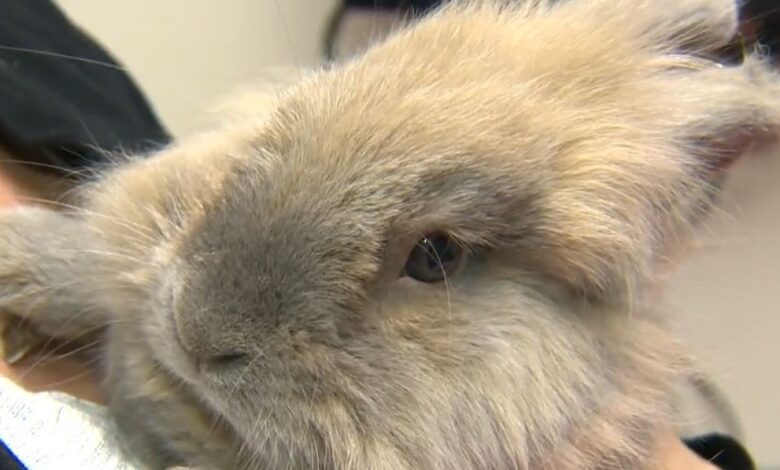
Indigenous Services Canada issued an unusually blunt clarification in September 2024: a picture of a bunny was not sufficient evidence of Indigenous identity. The statement followed confusion over federal procurement rules intended to direct contracts toward legitimate Indigenous businesses.
The controversy concerned supplier verification
The federal Procurement Strategy for Indigenous Business reserves or targets some opportunities for businesses meeting programme criteria. Verification matters because false claims can divert public money from the First Nations, Inuit and Métis entrepreneurs the policy is meant to support.
A self-selected symbol or image cannot establish the required ownership and control.
A web form created the viral impression
Reporting identified a portal or documentation process in which an uploaded image appeared in a file field, prompting claims that virtually anything could prove Indigeneity. The department said the bunny example would not meet its evidentiary standard.
A website accepting a file is not the same as an official approving its contents.
Identity is not determined by appearance
Indigenous identity cannot responsibly be assessed through skin tone, name, costume or a generic cultural image. First Nations status, citizenship or membership records, community relationships and the rules of relevant Indigenous governments may all be pertinent depending on the programme.
Different peoples have their own laws and histories; there is no single visual test.
Business eligibility adds another layer
A procurement programme may require not only that qualifying owners are Indigenous, but that they hold at least the required ownership share and genuinely control the company. Shell arrangements can satisfy paperwork on the surface while directing benefits elsewhere.
Audits must therefore examine substance as well as submitted identity documents.
False claims cause concrete harm
So-called Indigenous identity fraud can take contracts, grants, employment or representation from eligible people and undermine trust in reconciliation programmes. It also forces legitimate applicants to navigate more suspicion and bureaucracy.
Enforcement should focus on deliberate misrepresentation without subjecting every Indigenous person to hostile public interrogation.
Privacy must be protected
Identity records can contain sensitive personal and family information. Government verification systems need limited collection, secure storage, clear retention rules and access controls.
Publishing individual documents to win an online argument would create new risks and is not a substitute for a lawful review.
Indigenous governments should shape the solution
Federal officials do not possess the sole authority to define every First Nations, Inuit or Métis relationship. Effective verification should be developed with recognized Indigenous governing bodies and account for people affected by displacement, adoption or discriminatory historical registration rules.
Accuracy requires more than making documentation increasingly burdensome.
The lesson was procedural, not comic
The bunny line made a memorable headline, but the serious question was whether federal controls could reliably reject fabricated proof and detect fronts before contracts were awarded. Officials should publish standards, audit results and consequences while protecting personal data.
A sound system makes eligibility understandable, verifies business control and provides a fair correction or appeal path. It neither treats identity as an unchecked box nor assumes bureaucrats can settle complex nationhood with a photograph.
The department’s clarification removed the most absurd interpretation. Follow-up scrutiny still needed to determine why the interface allowed confusion, how reviewers evaluated submissions and whether benefits actually reached eligible Indigenous businesses.