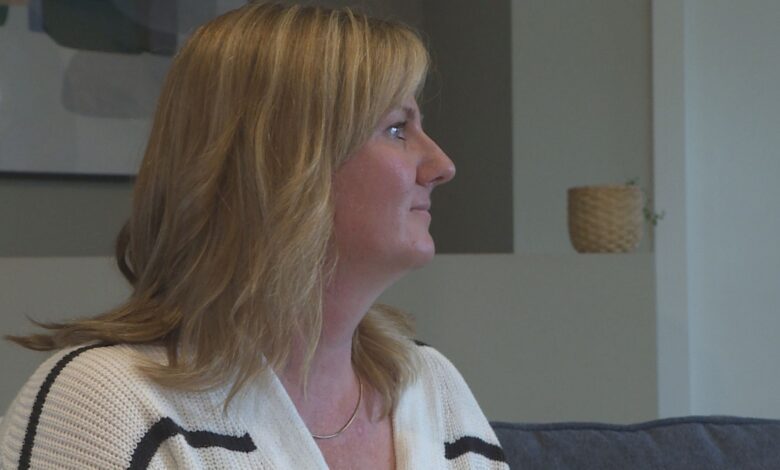
Steinbach, Manitoba resident Vanessa David shared her experience with cervical dystonia during Dystonia Awareness Month in September 2024. Years of neck tension and severe headaches preceded a diagnosis that brought both relief and the realization that she would be managing a chronic neurological movement disorder.
Her symptoms changed over time
David initially regarded tension headaches and tightness in her neck as normal. Later, severe headaches stopped responding to usual migraine medication and could arise abruptly, including while she was teaching.
A changing pattern prompted her doctor to investigate beyond a familiar explanation.
Cervical dystonia affects neck muscles
Neurologist Dr. Sean Udow explained that involuntary muscle contractions can pull the head into an abnormal position, cause tilting or produce tremor. Pain is common, although symptoms and severity differ.
A general description cannot diagnose an individual; other conditions can cause neck pain or tremor.
The condition is uncommon
The report cited an estimate of about 30 people per million for cervical dystonia and roughly 50,000 Canadians living with some form of dystonia. Rare disease can make it difficult to meet someone with a similar experience or find specialist care nearby.
Prevalence estimates vary with case definitions and recognition.
Causes are not always identifiable
Cervical dystonia is often idiopathic, meaning no cause is found. Dystonia can also be associated with genetic factors, medication exposure, injury or another neurological condition.
David was undergoing genetic testing, but a negative result would not make her symptoms less real.
Diagnosis can produce mixed emotions
Having a name for persistent symptoms validated David’s experience and created a route to care. It also meant accepting a condition without a known cure.
Patients may need time, reliable information and psychological support to adapt without being told simply to remain positive.
Treatment focuses on symptoms and function
Management may include botulinum toxin injections, medication, physiotherapy and other specialist approaches depending on the person. Treatment decisions balance pain relief, movement, side effects and daily goals.
Readers should seek a clinician’s assessment rather than interpret a personal profile as medical advice.
Awareness can reduce delay and stigma
Visible head movement may be misunderstood, while pain and fatigue can be invisible. Accurate public information can help employers, families and health professionals respond without blame or unwanted attention.
Awareness should also improve referrals and research participation rather than only generate sympathy.
David focused on living one day at a time
She described learning to embrace good days instead of allowing uncertainty to define every day. That perspective reflected her own coping method, not an expectation that every person with chronic illness must perform optimism.
Her story made a rare disorder understandable through ordinary work, pain and adjustment. The broader lesson was to take persistent or changing symptoms seriously, support people through diagnostic uncertainty and invest in treatments. A diagnosis did not end David’s life, but neither should resilience be used to minimize the care and accessibility she required.
Workplaces can help through flexible schedules, ergonomic adjustments and respectful discussion of accommodations. Friends can ask what support is useful instead of assuming. Those ordinary responses may not change the neurological condition, but they can reduce the isolation David described and allow people with fluctuating symptoms to participate on more equal terms.