Nepal Flood Disrupts Pilgrimage, Trade and Hydropower as India Raises Alert

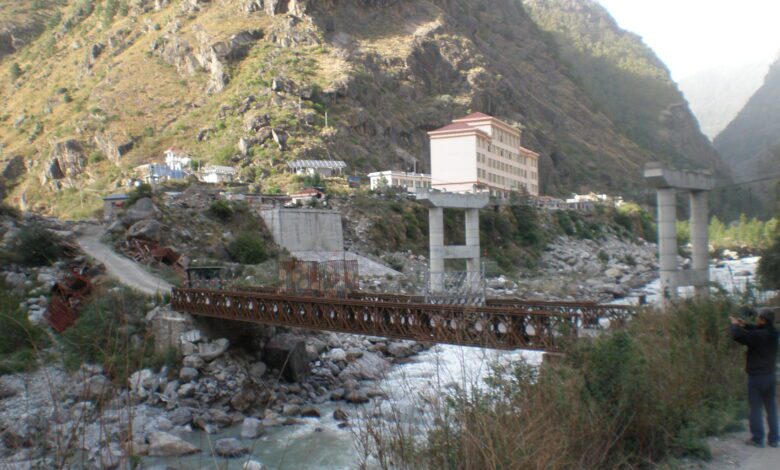
The flash flood that began near Nepal’s border with Tibet has become a regional transport, consular and infrastructure emergency. Beyond the immediate loss of life, it severed a route used by local communities, cross-border trade, hydropower projects and travellers heading toward the Kailash-Manasarovar region.
Initial assessments said at least 19 bridges and about 40 kilometres of road were swept away in Nepal. Several hydropower facilities were damaged or destroyed. These figures are preliminary, but they explain why rescue teams cannot treat the incident as a single-site disaster: broken links isolate settlements and prevent fuel, food, medical supplies and heavy equipment from moving normally.
Foreign travellers in a changing missing-person list
The monsoon is not Nepal’s main high-altitude trekking season, but it overlaps with important pilgrimage travel. A provisional Nepal-side list included hundreds of foreign nationals and at least 133 Indians. Counts and nationalities may change substantially as groups make contact and duplicate cross-border records are reconciled.
India’s embassy in Kathmandu opened emergency helplines at +977 985 131 6807 and +977 970 910 7500. Relatives should use official consular channels rather than circulating passports and personal phone numbers publicly. Tour operators and institutions should submit complete passenger manifests so authorities can identify people who changed routes or crossed the border before communications failed.
India monitors downstream conditions
India’s Home Ministry contacted the chief ministers of Bihar and Uttar Pradesh and placed disaster-response and border teams on high alert. The Central Water Commission reported on Wednesday evening that levels on the relevant Nepal-side reservoirs were reducing and said there was no reason for panic in India at that time.
That reassurance was specific to the available observations and should not be read as a permanent all-clear. River conditions can change, especially if an upstream debris blockage releases stored water. Communities should follow current district and water-authority advisories rather than old screenshots or forwarded messages.
Economic effects will outlast the flood wave
Rasuwagadhi is a strategic Nepal-China gateway. Bridge and road losses can raise freight costs, interrupt local markets and delay reconstruction material. Hydropower damage can affect electricity generation and project finance, while sediment and debris may require extensive inspection of intakes, turbines, transmission access and downstream structures.
Reopening quickly is important, but premature reopening can compound the disaster. Engineers must check bridge foundations, slopes above roads, tunnel approaches and river crossings that appear intact from the surface. Temporary routes should include evacuation triggers and limits for heavy vehicles.
A case for stronger cross-border warning systems
Mountain rivers do not follow administrative boundaries. Nepal, China and India each hold different pieces of the information needed for early warning: high-altitude satellite observations, seismic detections, local gauges, reservoir data and downstream forecasts. Faster sharing of machine-readable alerts could provide valuable minutes for communities and work sites below.
The current response must remain focused on rescue and family assistance. Reconstruction should then treat the corridor as a connected system rather than a collection of individual bridges. Redundant roads, protected communications, shared river monitoring and pre-agreed consular procedures would reduce the human and economic cost when another extreme event occurs.