Nearly 2,200 Reach Canary Islands in Two-Day Migration Surge

Nearly 2,200 people reached Spain’s Canary Islands by small boats over two days in mid-November, forcing an emergency response on islands whose reception system can be overwhelmed by a single busy night. The number is striking, but the fuller story is about a dangerous Atlantic route, local capacity and people who arrive after journeys that may have lasted days or weeks.
Spain’s maritime rescue service said it assisted 1,324 people aboard 14 boats in one of the two daily reporting periods, most of them arriving at El Hierro. A separate tally put Saturday’s rescues at 1,488, close to or above the previous daily record from November 2020 depending on the reporting cut-off. Figures can differ when operations cross midnight or authorities revise passenger counts after registration. The two-day total is therefore best described as approximately 2,200 rather than a perfectly fixed number.
Why El Hierro is under unusual pressure
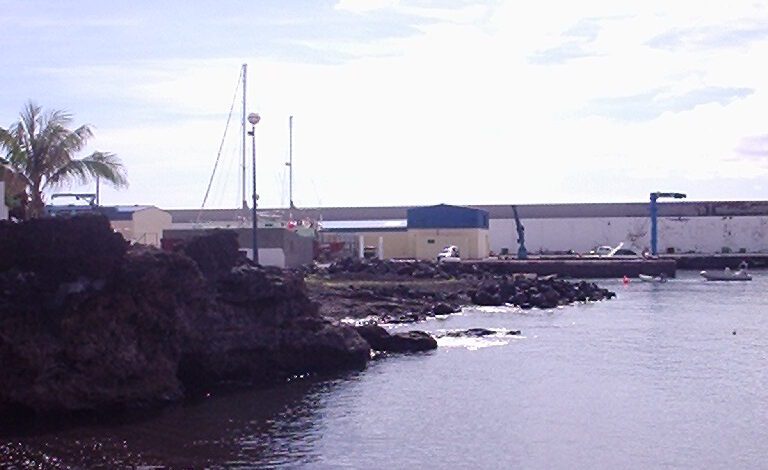
El Hierro has about 12,000 residents. Receiving more than a thousand people in a day is not comparable to the same arrival in a large mainland city. Rescue crews need safe berthing space; Red Cross teams provide water, food, dry clothing and first aid; officials register arrivals and identify unaccompanied minors; and reception facilities must arrange onward transfers.
The Canary Islands government has called for previously announced national funding to be released and for transfers to other islands or the Spanish mainland. Spain declared a migration emergency on the archipelago earlier in November as arrivals accelerated. The operational debate is not only about border policy. It concerns beds, interpreters, child protection, health screening and the time people spend in facilities designed for smaller numbers.
The Atlantic route is longer than it looks on a map
The Canaries sit off the northwest African coast, but many departures occur much farther south, especially from Mauritania. Boats may travel hundreds of kilometres through rough Atlantic water. Wooden fishing vessels commonly called cayucos can be crowded, with limited fuel, food, navigation equipment and protection from sun or waves.
That is why simple distance comparisons are misleading. A person may spend days at sea and drift far from the intended course. Rescue totals count people brought to safety; they do not reveal how many boats disappeared without a distress call. The International Organization for Migration has repeatedly described the Atlantic route as one of the world’s deadliest, while warning that deaths and disappearances are undercounted.
What the national figures show
Spain’s Interior Ministry recorded more than 13,000 sea arrivals in the Canary Islands between January and the end of October, out of just over 28,000 sea arrivals nationwide, according to figures cited by the Associated Press. The November surge means those totals have already moved higher. Short-term spikes can reflect weather windows, enforcement shifts, conflict, livelihoods and decisions by smuggling networks; they should not be mistaken for a smooth trend.
Most people on this route come from West or sub-Saharan Africa. Their legal situations vary. Some may qualify for international protection; others may receive removal decisions; children are subject to separate safeguards. Calling every arrival either a refugee or an illegal migrant skips the individual assessment required by asylum and immigration law.
Politics is arriving at the same time
The surge comes shortly before Spain’s early general election, ensuring that migration will be used in campaign arguments. Voters can reasonably debate border enforcement, returns, legal migration and the distribution of reception costs. Accuracy still matters. Claims about organised “mother ships,” crime or the number of people remaining on the islands require evidence, not viral clips detached from their date and location.
European policy also shapes what happens. Agreements with departure and transit countries can reduce crossings for a period, but rights groups warn that cooperation must not expose people to abuse or prevent them from seeking protection. Faster asylum decisions help only if applicants have access to interpreters, legal information and an effective appeal.
What a durable response would require
The immediate priority is preventing deaths and maintaining humane reception. That means predictable funding for rescue services and local authorities, rapid transfers when small islands are saturated, and special capacity for minors. Rescue at sea is a legal and humanitarian obligation; it is not the same thing as deciding who may remain in Spain.
Longer-term policy has to operate on several tracks at once: prosecuting exploitation by smugglers, expanding realistic legal pathways, processing claims promptly and working with origin countries on security and livelihoods without pretending migration has a single cause. The debate becomes less useful when every large arrival is framed either as an invasion or as a problem with no border dimension.
El Hierro’s experience is a reminder that migration statistics describe people and places at the same time. The boats carry individuals with different histories. They also arrive at a small port with finite ambulances, staff and beds. A credible policy must be capable of seeing both.
Sources
- Associated Press report on the two-day arrival surge
- Spanish Interior Ministry provisional migration data