WHO Keeps Congo Ebola Outbreak at Global Emergency Level as Transmission Expands

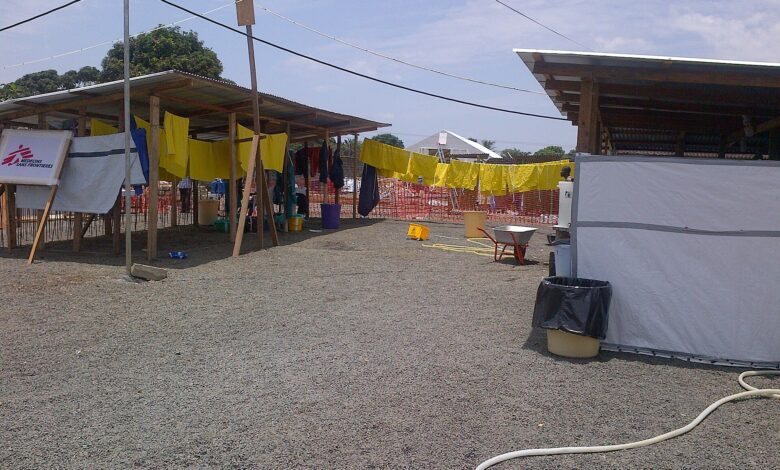
The World Health Organization has kept the Democratic Republic of the Congo’s Bundibugyo Ebola outbreak classified as a public health emergency of international concern, warning that transmission is expanding faster than control operations.
The decision followed a second meeting of the International Health Regulations Emergency Committee. WHO said the event remains an international emergency but does not meet the newer, higher threshold of a pandemic emergency.
Scale and uncertainty
By 21 August, the DRC had reported 5,290 confirmed cases and 2,516 deaths across 56 health zones. The crude fatality ratio was close to 46 per cent in the earlier detailed assessment. WHO experts cautioned that surveillance may be detecting only a fraction of infections; modelling discussed by the committee suggested the true total could be three to four times the reported number.
Ituri remains the centre of the outbreak, accounting for roughly 85 per cent of reported cases, but transmission has spread across six provinces. Conflict, population displacement, poor roads, attacks on health care and restricted humanitarian access are disrupting contact tracing, laboratory work and safe transfer to treatment.
Response capacity is being outpaced
As of 12 August, about 1,000 Ebola treatment beds were available against an estimated need for 3,000. Twenty-one laboratories could test for the virus, yet only about one-fifth of detected cases were being found through follow-up of listed contacts. In some affected areas, use of ordinary health services has fallen by more than 40 per cent, increasing risks from malaria, diarrhoeal illness, trauma and complications of pregnancy.
Health-worker infection remains a serious concern. The response needs stronger infection-prevention procedures not only inside dedicated Ebola units but also in clinics and homes where sick people may first seek help. Bundibugyo virus spreads through direct contact with infected blood or body fluids and contaminated materials; it is not transmitted through casual airborne contact.
No licensed Bundibugyo-specific vaccine
No vaccine or treatment is currently licensed specifically for Bundibugyo virus. WHO is working with partners on rigorous trials, but the emergency committee stressed that prospective countermeasures cannot replace established measures: early detection, isolation, clinical care, contact tracing, safe and dignified burials, protective equipment and trusted communication.
Uganda controlled the limited transmission linked to imported cases and had reported no new case since 16 July. One imported case in France did not lead to onward spread. The immediate international risk is highest for countries sharing land borders with affected Congolese provinces, especially where readiness, surveillance or laboratory capacity is weak.
WHO called for a unified, fully funded plan led by the Congolese government and built with affected communities. Without secure access and sustained operations, the outbreak could continue for months or years, with consequences extending beyond Ebola as routine health services deteriorate.