
Amsterdam data-centre protest puts AI infrastructure’s energy and water costs in focus

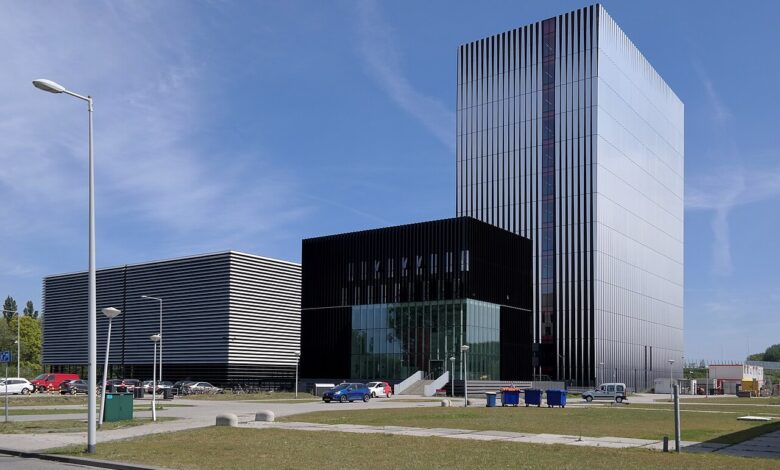
AMSTERDAM — A protest against a new Microsoft data-centre project turned confrontational on Nov. 6 when activists entered the construction site, climbed equipment and set off flares, according to local reporting and the Associated Press. Police escorted demonstrators away as the action opened a wider Europe-wide campaign against large data-centre developments. The clash has put a difficult question at the centre of the AI boom: who should bear the local costs of the computing infrastructure that powers cloud services and generative AI?
The protest group Geef Tegengas said it wanted to stop construction. The AP account reported that activists entered the site and that some remained as police moved people off the grounds. Campaigners planned actions in multiple European countries on Nov. 6 and 7, calling for a pause on large projects while governments assess energy use, water needs and environmental impact. The action is not evidence that Microsoft’s facility is already operating or that a particular estimate of its consumption has been independently verified.
Why data centres have become a local issue
Data centres are industrial buildings filled with servers that store information and perform computing tasks. Their electricity demand is constant, and they require cooling; water use depends on the technology and location. The facilities also connect to the power grid, occupy land and can require new infrastructure. For residents, the concerns are tangible: whether a project raises pressure on electricity supplies, competes with households for water, changes local landscapes or receives public subsidies without clear benefits.
AI systems have made the debate more urgent because training and serving models can require substantial computing capacity. But it is too simple to say every new data centre exists only for AI. Cloud storage, corporate software, online video, finance and public services also rely on server facilities. A project’s true impact should be assessed using its energy source, cooling design, scale, water withdrawal, waste heat plans, grid connection and expected jobs—not a generic claim about “AI power use.”
Technology companies and local officials argue that data centres support digital infrastructure, investment and skilled employment. The jobs created during construction may be far more numerous than permanent roles once a facility opens, so employment claims should distinguish construction from long-term operations. Tax revenue and grid investments also need to be weighed against public costs and the opportunity cost of electricity that could serve other users.
From protest to planning rules
The Amsterdam action was part of a campaign described by organizers as spanning 15 European countries. The Washington Post’s report listed planned actions in several countries and summarized concerns about electricity, water and local consultation. The number of countries and events is organizers’ account, not a measure of public opinion across Europe. Demonstrations can reveal opposition; they cannot alone show how residents would vote in a formal planning process.
Entering a construction site raises safety and legal concerns. Activists have the right to protest, but trespassing or interfering with construction can put people at risk and lead to arrests or charges. Any legal consequences should be reported from official court or police records. A compelling environmental argument does not make unsafe action harmless, just as an arrest does not resolve whether the project’s impacts are acceptable.
Local authorities can improve trust by making project documents public before decisions are finalized. That means publishing energy and water estimates, explaining grid upgrades, assessing cumulative impacts from multiple facilities and providing a meaningful public comment period. Independent monitoring after approval can compare promised resource use with actual performance. If operators use renewable energy certificates, officials should clarify whether they represent new clean generation or accounting claims that merely reallocate existing supply.
The stakes for the AI economy
There is a real trade-off: restricting data-centre growth too bluntly could slow investment and digital services, while approving projects without scrutiny could deepen local resource pressure and erode public confidence. Better planning can distinguish facilities that are efficient and responsive to local constraints from those that are not. Operators can be required to publish annual energy and water data, use water-stress assessments, recycle heat where feasible and fund grid upgrades transparently.
The Amsterdam protest is therefore not simply “against technology.” It is a dispute over who controls infrastructure and how its costs are shared. The next phase will be determined less by slogans than by permit decisions, environmental assessments, grid capacity and enforceable reporting. Residents deserve a clear picture of the project, and companies deserve predictable rules. Until those facts are public, both the strongest claims from campaigners and the most optimistic promises from developers should be treated with caution.
City planners elsewhere can learn from the dispute before a project reaches a construction fence. A public register of proposed data centres, cumulative energy and water impact assessments, and an independent process for reviewing company forecasts would make debate less speculative. Developers could also explain what happens during grid stress, what share of electricity is sourced from additional renewables and whether cooling demand rises during heat waves. Good disclosure cannot guarantee agreement, but it can help residents challenge or support a project on evidence rather than guesswork.