France protests draw hundreds of thousands over pay, living costs and schools

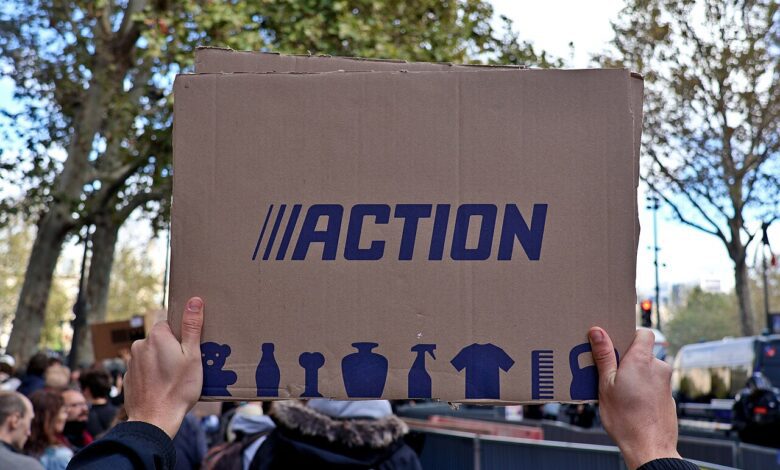
PARIS — France saw another major day of strikes and demonstrations on Nov. 5, with workers demanding higher pay and students pressing for better conditions in schools. The marches added pressure to a government already facing a broad protest movement over household costs and public services. The size of the turnout is disputed: the Interior Ministry reported more than 600,000 participants nationwide, while the CGT union claimed nearly 1.6 million across more than 200 demonstrations.
The gap between official and union figures is substantial but not unusual. Governments count crowds using their own methods; organizers have an incentive to emphasize participation. Both numbers should be attributed rather than merged into a false precise total. The Associated Press report described large marches in Paris and other cities, with some transport and school disruption. French reporting said about a third of high schools were affected by strikes or blockades, though disruption varied by region.
What is driving the demonstrations?
Workers’ demands have centred on wages and the rising cost of living. Unions argue that pay has not kept up with household expenses and have called for stronger public services and protections. Students and teachers have raised separate concerns about school funding, staffing and building conditions. The combination has widened the protest beyond one workplace dispute. A union march can put pressure on national leaders, but it does not mean every person on the street shares the same political programme.
The student movement has drawn attention to schools as infrastructure. Crowded classrooms, aging buildings and shortages of staff are experienced locally, so national demonstrations often bundle specific grievances into a broader complaint about unequal public investment. The government must respond to evidence about school conditions and budgets, not only to national turnout figures. The unions, for their part, must show how proposed wage measures would be financed and distributed.
The demonstrations have unfolded amid political uncertainty and public frustration with the government. That context helps explain why a wage protest can become a wider test of confidence in national leadership. But it is not accurate to call every march an attempt to topple the government, unless organizers say so or participants’ actions support that claim. Reporting should identify the demands and differentiate peaceful marchers from any isolated acts of vandalism or clashes.
Disruption, policing and civil liberties
Large strikes can interrupt trains, buses, school schedules and public offices. That is a source of immediate inconvenience for commuters, parents and businesses, but a strike is also a protected form of collective action under French law. The balance between public order and the right to demonstrate is a central test for police and local authorities. Reports of arrests or clashes should be tied to verified police statements and separated from peaceful participation by hundreds of thousands.
The AP account noted arrests and some confrontations, while the day’s marches in many locations proceeded without serious incident. Arrest totals do not show how many people were charged or convicted, and an arrest is not a finding of guilt. Any videos shared online should be checked for location and date: protest footage from earlier demonstrations can circulate as if it were new. The same caution applies to claims that a whole city is shut down; transport operators publish route-specific service notices that are more useful than viral blanket warnings.
What could happen next
Unions may call further action if they judge that the government has not answered their demands. A negotiated pay agreement, funding commitments or a credible timetable for school improvements could reduce pressure; vague promises may not. The government will need to decide whether to negotiate with union leaders, wait for turnout to decline or make concessions that could affect public finances. Each choice has political costs.
For the broader European audience, the French protests are a reminder that household affordability and public-service quality can become national political issues even when headline economic indicators look stable. Averages can hide rent, energy and transport expenses that weigh heavily on lower-income families. Policymakers should use transparent data to explain both the fiscal trade-offs and the distribution of any relief.
The most solid description on Nov. 8 is straightforward: France experienced large nationwide demonstrations on Nov. 5 over wages, living costs and education, with crowd estimates ranging from more than 600,000 by the Interior Ministry to nearly 1.6 million by the CGT. The turnout showed the movement’s ability to mobilize, but its eventual effect will depend on negotiations, future participation and the government’s response—not on the largest number printed in a headline.
For anyone planning travel, the practical advice is to check the transport operator’s latest notice and allow extra time near announced marches. A nationwide strike call does not mean every railway, school or hospital is closed, and essential services may operate with reduced schedules. Visitors should avoid assuming that a photograph of a crowded avenue represents the whole city. Local authorities publish route restrictions and police advisories, while unions publish their own meeting points and demands. These are more useful than unverified posts suggesting a blanket shutdown.