Israel election claims and protests: what is verified about the ‘stolen vote’ allegations

TEL AVIV — Israel’s election has left a political dispute extending beyond the numbers: a new opposition majority is trying to form a government while Netanyahu allies question the legitimacy of the result and a separate security-service inquiry examines allegations of foreign interference. Street protests have brought both demands for a Jewish-Arab coalition and calls for the investigation to be scrutinized into public view. The allegations remain unproven, and authorities have not said the election result is invalid.
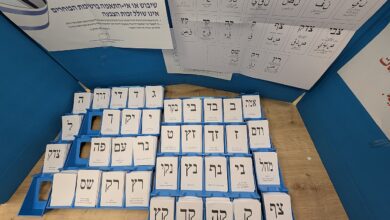
Prime Minister Benjamin Netanyahu and supporters have alleged that Arab-led parties “stole” the Oct. 27 election, possibly with outside help. The language has intensified an already polarized debate over Arab citizens’ role in Israeli politics. In its Nov. 4 account, the Associated Press reported that election officials accepted the results and that no evidence of widespread fraud had been presented. The Shin Bet’s separate inquiry into alleged foreign interference was still open at the time of that report. An investigation is not confirmation of the allegation it examines.
Two different claims are being discussed
One question is whether there was unlawful foreign interference in the campaign. That requires evidence, a defined allegation and due process. Another is whether the election’s certified count should stand. Israeli election authorities have said the vote will stand; media accounts of an inquiry do not overrule their decision. If investigators uncover evidence of a crime, it should be disclosed through appropriate legal channels, not treated as proof that a party’s votes were illegitimate.
Political accusations that an election was “stolen” can undermine public trust, especially when aimed at a minority group whose elected representatives are being considered as coalition partners. Such language should be attributed precisely to those using it. It should not be repeated as a factual headline. Arab citizens are eligible voters, and Arab-led parties have a right to participate in parliamentary politics under Israeli law. Disagreement over coalition alliances is legitimate; denying voters’ legitimacy without evidence is a different matter.
What protesters are demanding
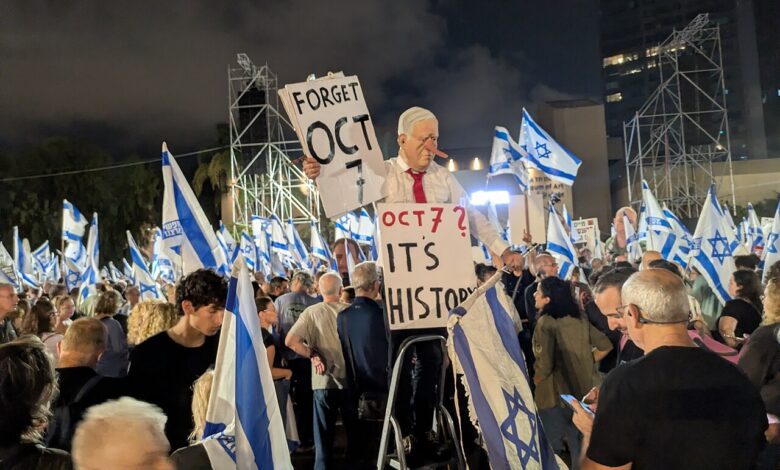
At a Tel Aviv rally on Oct. 31, demonstrators called for a government involving Jewish and Arab parties. The Times of Israel reported that roughly 500 people were at Habima Square at the time of its update, while a larger count was reported by organizers and in subsequent coverage. The event also faced a counter-protest. The differing crowd figures are common in live reporting; the principal fact is that a rally supporting a Jewish-Arab coalition took place as coalition talks began.
On Nov. 7, another smaller gathering in Habima Square protested the Shin Bet’s handling of the interference inquiry and called for a new government to remove agency chief David Zini. The Times of Israel’s live update described about 200 participants. Their criticism is a political position, not an official finding that the inquiry is politically directed. Conversely, the fact that the inquiry is being conducted by a state service does not exempt it from scrutiny. Transparency and legal oversight are essential when intelligence agencies investigate political figures.
A coalition fight in a climate of distrust
The election produced a path for opposition leader Gadi Eisenkot to attempt to form a government. That process will require political cooperation across parties with disagreements over the war, national service, the judiciary and the status of Arab citizens. The possibility of a Jewish-Arab coalition has energized supporters and alarmed opponents. The debate reflects real ideological divisions, but it also creates incentives for politicians to question the motives of their rivals.
The underlying security context is serious. Israel has faced years of conflict, the Oct. 7, 2023 attacks and the war that followed. In that environment, claims of foreign influence carry particular force. They also require particular care: a false allegation can stigmatize a community, while a genuine interference operation should be investigated without political interference. Public reporting should identify what evidence has been made public, what remains under investigation and who is making each claim.
For now, three things can be said with confidence: the election produced an opposition path to a majority; Herzog has tasked Eisenkot with an attempt to form a government; and protests have emerged over whether Arab parties should join that coalition and over the security service’s inquiry. The claims of a stolen election are allegations, not established fact. The democratic test will be whether institutions follow transparent procedures and whether political leaders accept verifiable results even when they lose.
Institutional trust is not secured by asking citizens to accept every official statement without question. Election authorities should publish procedures and results; investigators should explain the legal basis for inquiries; courts should remain available to hear evidence; and politicians should correct claims that cannot be substantiated. Journalists can contribute by avoiding language that turns a minority’s participation into suspicion by default. That standard protects both genuine investigations and legitimate political dissent.