Nepal Keeps High Alert as Barrier Lake Begins Releasing Water Upstream

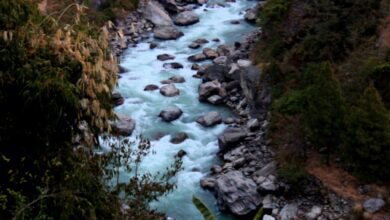
Nepal kept communities and rescue teams along the Bhote Koshi and Trishuli rivers on high alert Friday after water began flowing out of a barrier lake formed upstream in Tibet.
The National Disaster Risk Reduction and Management Authority confirmed a rise in the Bhote Koshi water level in Rasuwa. Its spokesperson, Shanti Mahat, said the observed flow at the time of the update was about one-sixth of the intensity of Wednesday’s catastrophic surge and that no major increase had yet moved into Nepal. That comparison was a snapshot, not an all-clear.
What changed upstream
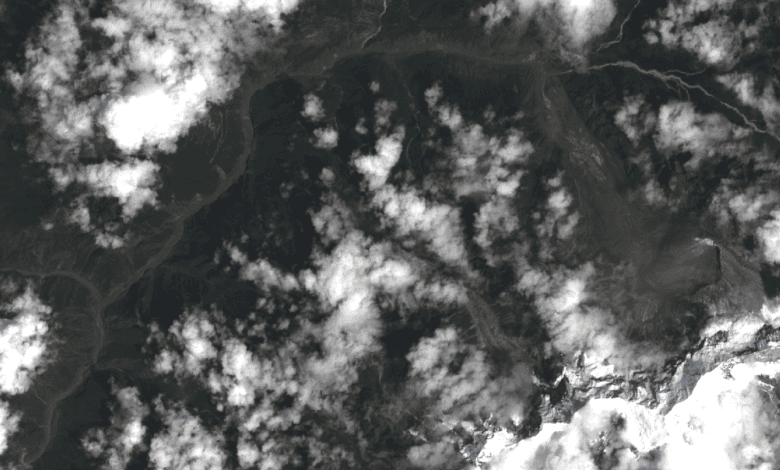
Satellite analysis and information relayed from China indicated that debris near the confluence of the Chochen and Purepu Tsangpo rivers had impounded water into a new lake. The feature was reported roughly 10 kilometres upstream from Gyirong Port and was estimated to contain more than two million cubic metres of water. Water had started to overtop or drain from the obstruction, producing muddy flow downstream.
A slowly draining lake and a sudden breach are very different hazards. Controlled or gradual outflow can lower pressure on the natural dam; rapid erosion or collapse can release a much larger pulse with little warning. The composition and stability of a barrier made from ice, rock and loose sediment are difficult to judge remotely, especially after the landscape has already been destabilised.
Second-flood warning remains precautionary
Nepal Police and the Rasuwa district administration told people close to the river to remain in safe locations. Rescue personnel working on exposed banks were also instructed to maintain escape routes and avoid treating a lower river level as proof that the danger had passed. Chinese authorities temporarily pulled teams away from the immediate downstream area while monitoring continued.
Later on Friday, Chinese authorities assessed the overflow risk as manageable and resumed rescue work near Gyirong. Nepal’s high alert nevertheless remained active because conditions can change and the outflow still had to travel through a steep, damaged river system.
The warning should therefore be understood precisely: authorities confirmed new outflow and a modest rise in Nepal, but they had not confirmed a second flood of the scale seen on Wednesday. Claims that a second wall of water had already reached downstream towns were not supported by the official update available at publication time.
Monitoring and public safety
Nepal and China have agreed to exchange meteorological and hazard information. Hydrological gauges, satellite imagery, local observation and communications from the upstream side are all needed because the original flood occurred without heavy rain in the affected Nepalese districts.
Residents in warned areas should follow district and disaster-authority instructions, move away from the active channel and low river terraces, keep essential medicines and documents ready, and avoid bridges or riverbanks used for viewing or filming. People farther downstream should not act on forwarded voice messages or social-media videos without a location and time. In a fast-changing mountain basin, a false all-clear can be as dangerous as an exaggerated alarm.