Nepal Floods Leave 17,000 Children Needing Urgent Help as Schools and Clinics Are Damaged

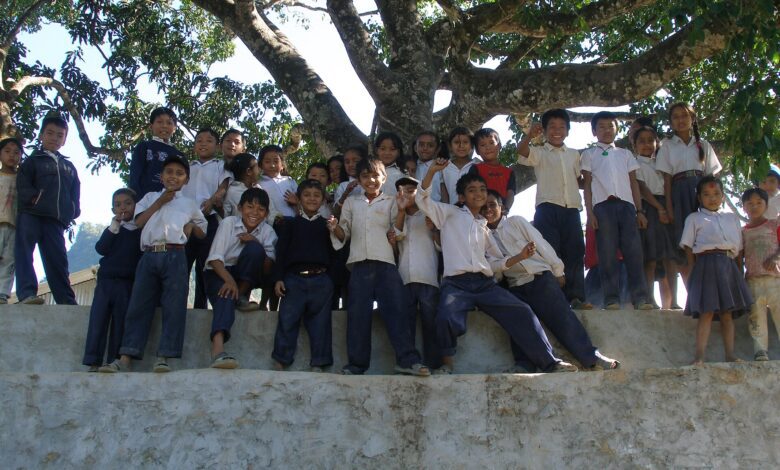
At least 17,000 children need urgent humanitarian assistance after the flash floods in Nepal damaged homes, schools, clinics, water systems and transport links across Rasuwa, Nuwakot and Dhading.
UNICEF said 18 schools had been destroyed and another 20 damaged. An estimated 10,000 school-age children require support to continue learning, including temporary classrooms, replacement materials and psychosocial care. Those education figures were issued while field assessments were still incomplete and may rise as teams reach isolated communities.
Immediate risks go beyond the floodwater
Children displaced into crowded shelters face increased risks from unsafe water, diarrhoeal disease, respiratory infections, interrupted vaccination and treatment, malnutrition, exploitation and family separation. Damaged roads and communications make routine referral difficult, while the loss of local health posts forces families to travel farther for basic care.
WHO has sent medicines and multipurpose medical tents and is working with Nepal’s health authorities on disease surveillance and continuity of essential services. UNICEF has begun moving hygiene kits and is preparing medical tents, mosquito nets, newborn supplies and therapeutic food for children with acute malnutrition. Mental-health teams are being mobilised for children and caregivers who witnessed deaths, destruction or sudden displacement.
Reuniting families and restoring safe spaces
One urgent task is to identify children who became separated from parents or guardians during evacuations. Registration must be careful enough to protect children from trafficking or false claims while remaining fast enough to reunite families. Authorities and aid groups are also trying to restore safe places where children can receive information, play and resume structured learning.
The need is not limited to replacing buildings. Teachers may be displaced, school records may be lost, routes may remain unsafe and surviving classrooms may be used as shelters. Temporary learning centres can reduce prolonged interruption, but they require sanitation, lighting, trained staff and safeguards for children with disabilities.
Funding and early recovery
UNICEF has appealed for $17.2 million for emergency operations and early recovery. Priorities include health, nutrition, water and sanitation, education, child protection and cash assistance to affected households. Clean water and functioning toilets are particularly important because damaged pipes and contaminated sources can turn a natural disaster into a preventable disease emergency.
Relief agencies have stressed that casualty estimates published earlier in the response are already outdated. The child-impact and infrastructure figures should be read as minimum verified needs, not a final accounting. The practical measure of the response will be whether isolated families receive safe water, food, medicines and shelter quickly, and whether children can return to protected, supervised learning without being exposed to another flood hazard.