
VARANASI — Work on the ancestral home of shehnai maestro Ustad Bismillah Khan has become a political flashpoint, but the evidence reported so far does not support the viral claim that the government bulldozed the property. The family says the old, deteriorating structure is being dismantled for reconstruction, with a museum planned at the site. Local authorities have said the work is a private family initiative rather than a government demolition.
The distinction matters because the online version of the story fused two real issues—a building associated with a major cultural figure is being altered, and Varanasi has seen contested redevelopment—with an unverified allegation about who ordered the work. On Nov. 7, Samajwadi Party leader Akhilesh Yadav criticized the demolition and accused the BJP-led government of failing to protect the musician’s legacy. A report by ThePrint carrying PTI’s account says the municipality denied involvement and quoted the musician’s grandson, Mohammad Sibtain, saying the family had consented to reconstruction.
A family property dispute preceded the work
Reporting by The New Indian Express describes the building as dilapidated and says a dispute among relatives had delayed the project. The property was registered in the name of Bismillah Khan’s eldest son, Mehtab Hussain, who died in 2016, the report said. Relatives reportedly disagreed over whether the old house should be demolished; after police asked the parties to produce property documents, the family said the dispute had been resolved and construction resumed.
The family’s plan is to rebuild on the same site and dedicate a portion to a museum displaying awards, instruments and personal belongings. That plan is not yet the same thing as a completed public museum: it depends on reconstruction, agreement over the collection and a practical arrangement for public access. The Varanasi Development Authority’s explanation, reported by The Statesman, likewise describes the demolition as part of a private renovation effort and says the family wants a museum after rebuilding.
Why the controversy resonates
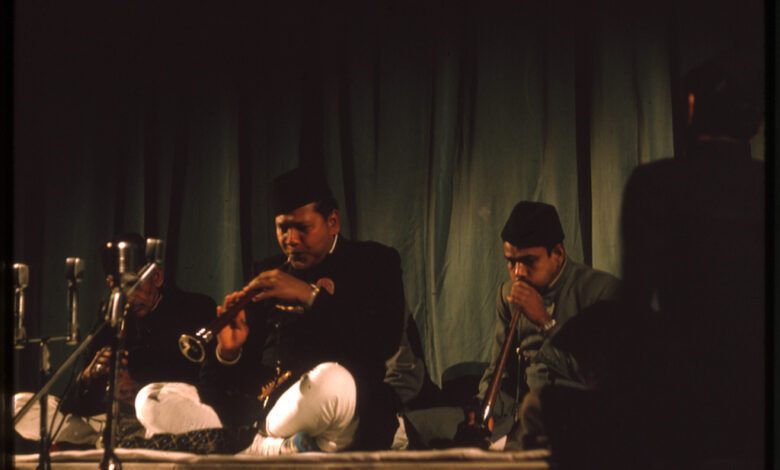
Bismillah Khan was not simply a celebrated performer. His shehnai helped carry a North Indian classical instrument from ceremonial and folk settings onto major concert stages. He performed at the Red Fort after India’s independence, won the Bharat Ratna, and remained closely associated with Varanasi and its musical traditions. A home linked to an artist of that stature has public meaning even when it is privately owned. That makes preservation, family consent and transparent interpretation important questions—not proof of a state demolition.
Varanasi’s redevelopment has also made residents attentive to the line between private construction, municipal projects and heritage protection. The Dalmandi road-widening initiative has involved the removal of buildings and the relocation of businesses, according to local reporting. That context can explain why a video of demolition equipment quickly attracted political interpretation. But context cannot substitute for evidence about this particular property. The reports cited here identify the family as directing reconstruction and say officials deny ordering its demolition.
What remains unsettled
There are still legitimate questions. Was the home formally listed or protected as a heritage structure? What approvals were obtained? Which family members consented, and how will the collection be safeguarded? Who will own, fund and operate the proposed museum? The news reports do not resolve every planning or conservation detail, and public authorities should publish any permits and the museum proposal where appropriate. The family should also explain how original objects and the memory of the space will be preserved through the rebuilding.
Those questions are more useful than repeating a claim already disputed by the family and local authority. If later documents show a public agency directed or financed the demolition, the account should be updated. At present, however, the most substantiated description is that the family is rebuilding a deteriorated ancestral property after resolving an internal dispute and hopes to create a museum, while politicians have criticized the decision and authorities deny government responsibility.
For readers, the caution is simple: “the house is being demolished” is not the same as “the government demolished it.” The first is supported by reporting; the second is contested and presently unsupported in the cited accounts. The long-term test will be whether the rebuilt site genuinely protects Khan’s legacy and becomes accessible to the public, rather than whether a political slogan wins the day.
Preservation does not always mean freezing a private building in place, especially if it is structurally unsafe. It does mean documenting the site before work begins, salvaging meaningful architectural details where possible and consulting specialists who understand both the structure and the family’s wishes. If the museum goes ahead, a small but thoughtfully interpreted space could explain how the shehnai sounded in religious observance, public ceremony and concert halls, rather than reducing the musician’s life to a display of awards. A written plan, transparent stewardship and a public opening schedule would help turn the promise into a lasting cultural resource.