
What the 2026 US midterm results could change—and what they cannot

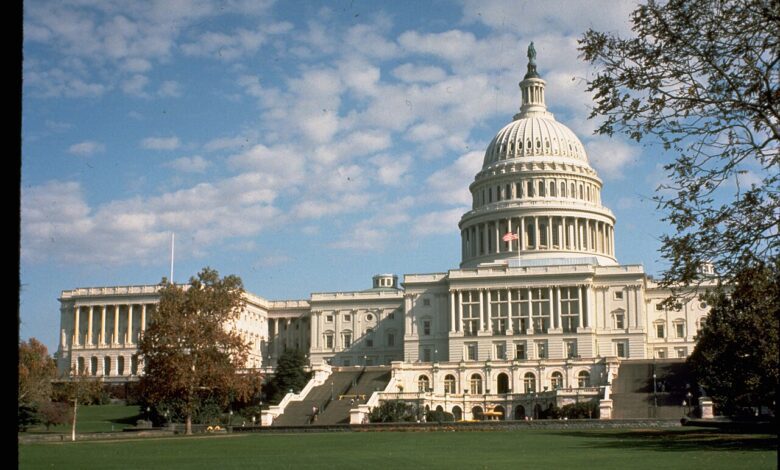
WASHINGTON — Democratic victories in both chambers of Congress could reshape the final two years of Donald Trump’s presidency, but the practical effects will depend on what lawmakers can pass and what the president will sign. The midterm result is a stronger check on the administration, not a switch that instantly cancels executive policies or guarantees a new legislative programme.
House Democratic leaders have said they will make health care an early priority and seek action on immigration, the Iran conflict and trade tariffs. Those goals, reported in the Associated Press account of the party’s plans, reveal the issues the majority wants to put on the agenda. They do not yet amount to enacted law. Congress will be sworn in in January; until then, existing statutes and budget arrangements remain the starting point.
The most direct effects: oversight and budgets
A House majority can schedule hearings, request documents and direct committee investigations. Expect closer scrutiny of agency decisions, procurement, immigration enforcement, foreign policy and the administration’s use of executive authority. Oversight can expose information or raise the political cost of a decision, but it does not itself rescind a regulation or compel a policy reversal. Court challenges and statutory procedures continue to matter.
Congress also has the power of the purse. Federal agencies need appropriations, and lawmakers must periodically address government funding, the debt limit and other fiscal deadlines. A divided government can produce bargains, short-term extensions or standoffs. Investors and households may react to the risk of disruption before any actual shutdown occurs, so headlines about a possible budget fight should be treated as a forecast until negotiations produce a concrete proposal.
On health care, Democrats can press to protect or expand coverage, investigate recent changes, and draft legislation. The AP report cited estimates of reduced Medicaid enrollment since a 2025 law; the precise consequences depend on federal and state implementation and should be checked against updated enrollment data. The president could veto bills, and the Senate’s rules may require broader support for some measures. A new majority can change the debate more easily than it can change the law.
Trade and foreign policy will face a different Congress
Democratic lawmakers have promised to challenge some tariffs, but Congress’s ability to change a tariff depends on the legal authority used to impose it. The president may have delegated powers under existing statutes, and a bill to limit those powers would have to navigate both chambers and a possible veto. Firms should not assume customs rates will change on a campaign promise; they should watch the text of any bill, agency notices and court decisions.
On the Iran war, Congress can debate authorizations, funding and reporting requirements. It can ask for public hearings and use legislation to set limits, yet operational decisions remain governed by constitutional powers, existing law and the conduct of the conflict. Members from both parties may disagree about the risks of escalation and the terms of any ceasefire. The election has increased legislative scrutiny; it has not settled the policy debate.
International partners may read the results as evidence that US voters can impose a midterm check on the president. That may affect diplomatic calculations, but foreign governments will also look at whether Congress actually changes aid, sanctions, trade rules or security commitments. The AP analysis of overseas reactions notes that a change in congressional control does not automatically undo policies that have unsettled allies and markets.
What the result may mean for 2028
For Republicans, the result is a warning about the coalition that delivered the White House in 2024. AP voter-poll reporting points to voter concern about prices and government performance, while age and ethnicity groups shifted in different ways. Campaign strategists will argue about whether the response should emphasize lower costs, immigration, cultural issues or a different relationship with allies. Those debates are likely to shape candidate recruitment and primary contests before the next presidential election.
For Democrats, the victory creates a test. Voters who wanted a check on Trump may still expect tangible results on costs, health care and public accountability. If Congress becomes consumed by investigations without producing legislation, the majority could disappoint swing voters. A divided government gives each side an incentive to blame the other, but voters may hold both responsible for visible failures.
The best short-term forecast is therefore conditional: more oversight is likely; legislative fights will intensify; and some negotiated laws remain possible. The president retains the veto and substantial executive authority. Election analysts can assess the message voters sent, but only the coming record of votes, budgets and court rulings will show how far that message changes daily life.
For public servants and citizens, that means watching process as much as rhetoric. A committee hearing can reveal facts but not necessarily produce a remedy; a bill can pass one chamber and stall in the other; an executive action can change quickly but may be challenged in court. Coverage should report each step rather than collapsing a proposal, a vote and a law into one event. The election changed the incentives around those steps. It did not remove the institutional checks that shape what either party can do.