
Measles deaths in New York and Wisconsin renew focus on vaccination gaps

UNITED STATES — Two recent infant deaths linked to measles outbreaks in New York and Wisconsin have put vaccination coverage back in the national spotlight. New York officials announced on Nov. 2 that a child in Lewis County had died in the state’s first known measles-associated death in more than 30 years. Three days later, Wisconsin’s health department reported the death of an infant in its southwestern outbreak area, the state’s first such death since 1990.
The details released by both states are limited to protect the families. New York’s joint statement with Lewis County Public Health urged residents to ensure that they are up to date on measles, mumps and rubella vaccination. The state statement did not identify the child or provide private medical information. Wisconsin’s Department of Health Services said the coroner listed measles as the immediate cause of death; its Nov. 5 release likewise withheld details about the infant.
Why two state announcements matter
Measles is highly contagious and can lead to pneumonia, brain inflammation and death, particularly in young children and people with weakened immune systems. The United States eliminated sustained domestic transmission in 2000 through high vaccination coverage, but elimination does not mean measles disappeared. Imported cases can seed outbreaks wherever enough people are unprotected for the virus to spread. Public health experts often cite 95% two-dose vaccination coverage as the level needed to reduce the risk of community transmission, although local coverage varies.
Wisconsin reported hundreds of cases associated with its ongoing outbreak in early November. The state’s health alert of Nov. 3 said there had been 429 cases and eight hospitalizations at that point. The number is a time-stamped count and may have changed since. In New York, state officials had declared an emergency earlier in October and expanded who could administer vaccines and order tests, as cases were reported in rural areas and neighboring states. Neither outbreak’s figures should be treated as a national total.
News of a child’s death is devastating, but it should not be used to expose the family or speculate about their medical choices. Health departments have not released identifying details. The public interest lies in understanding the disease, the outbreak response and how families can get accurate medical guidance.
Vaccination and practical guidance
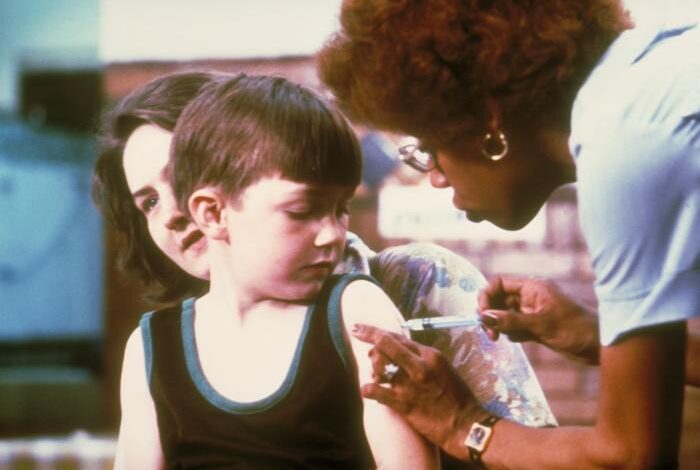
The MMR vaccine is the main protection against measles. In the United States, routine schedules generally call for a first dose at 12 to 15 months and a second at 4 to 6 years, though recommendations may vary for infants traveling to outbreak areas or during a local emergency. Parents should consult a pediatrician or local health department rather than changing a child’s schedule based on social-media posts. People who are unsure whether they are immune can check vaccination records or ask a clinician about appropriate next steps.
Measles symptoms can begin with fever, cough, runny nose and red eyes, followed by a rash. Anyone who suspects measles should call a healthcare provider before visiting a clinic, so staff can reduce exposure to others. This is a practical infection-control step, not a reason to avoid care. Health departments may publish locations and times where people could have been exposed; those advisories should be checked directly, because exposure windows and recommendations can change.
Vitamin A is sometimes used under medical supervision for children with measles, especially where deficiency or severe disease is a concern. It does not replace vaccination and should not be self-administered at high doses. Public health agencies warn that excessive vitamin A can be harmful. A responsible health article should direct families to licensed clinicians and official guidance rather than presenting supplements as a cure.
Why coverage gaps form
Vaccination rates can fall for several reasons: access barriers, missed appointments, misinformation, changing eligibility, or distrust of institutions. Addressing gaps requires more than blaming parents. Clinics need convenient hours, clear records, trusted local messengers and reliable vaccine supply. Schools and childcare programs may have legal immunization requirements, but policies differ by state and exemptions are governed by law. Parents should consult the rules where they live.
When outbreaks occur, health officials may recommend an early MMR dose for infants as young as six months in affected communities or before travel. Such a dose does not count toward the standard two-dose series; the child still needs routine doses later. This is why personalized advice matters: age, travel, exposure and local transmission all affect the recommendation.
What readers should take away
The New York and Wisconsin announcements are a warning that a vaccine-preventable disease can return when community protection is uneven. They do not justify panic or stigmatization. The safest response is to check vaccination status, follow state or county exposure notices, and ask a healthcare professional about individual risk. Health agencies should keep publishing transparent case counts and practical guidance while protecting the privacy of affected families.
These deaths are tragedies, not political props. Public debate over vaccine policy is legitimate, but it should begin with accurate data and recognize that measles can be dangerous to infants too young to receive routine vaccination. Protecting those children depends partly on the immunity of people around them. A clear, respectful public-health response offers the best chance of limiting further harm.