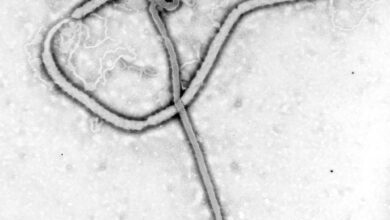
DR Congo Ebola outbreak: Bundibugyo strain and conflict complicate response

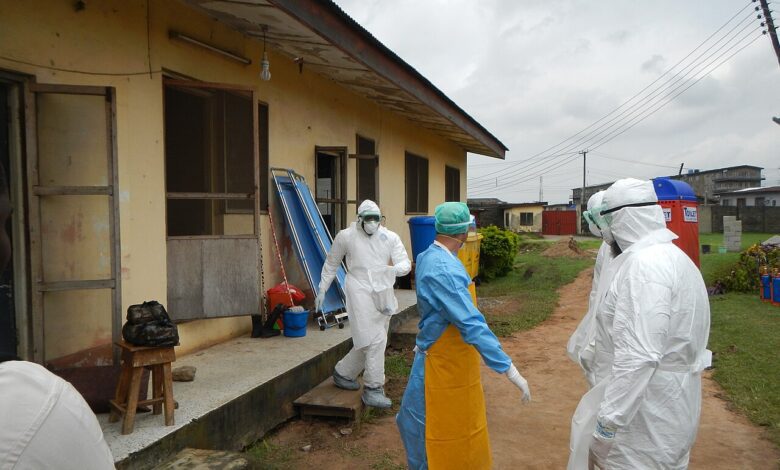
BUNIA, Democratic Republic of Congo — The Ebola outbreak caused by Bundibugyo virus continues to strain health services in eastern Congo, where transmission has been reported across dozens of health zones. A situation report dated Nov. 3 listed 10,668 confirmed cases and 5,198 deaths in the Democratic Republic of Congo. The scale is alarming, but the numbers need context: this is a severe regional emergency, not evidence that the virus is spreading widely across the globe.
The outbreak is unusual because it is caused by Bundibugyo ebolavirus, a distinct species from the Zaire ebolavirus responsible for several better-known outbreaks. As of the Nov. 3 reporting snapshot, official tallies described cases across 67 affected health zones and eight provinces, according to a technical summary tracking the WHO and national situation reports. Those totals may be revised as tests are completed and late reports are reconciled. The case fatality ratio calculated from the published totals is not an individual patient’s prognosis; outcomes depend on access to care, timing and many clinical factors.
Why response is difficult
Eastern Congo’s outbreak response is complicated by distance, displacement and insecurity. Health teams must identify contacts, test suspected cases, isolate patients safely and support families without stigmatizing them. Conflict and the presence of armed groups can limit movement, while damaged or overstretched clinics make it harder to deliver routine care alongside emergency treatment. People who fear isolation or distrust officials may delay seeking help, increasing the chance that cases are missed.
The Bundibugyo strain also creates a medical challenge: unlike the Zaire strain, there is no licensed vaccine or specific antiviral treatment established for this virus. That does not mean clinicians have nothing to offer. Supportive care—fluids, symptom management, monitoring and treatment of complications—can improve survival, and research teams are studying countermeasures. But claims that an approved vaccine or cure is already available for this outbreak would be inaccurate. The WHO disease update should be checked for the latest case definitions and response guidance.
Health workers need protective equipment, reliable laboratories and safe treatment facilities. They also need community cooperation. Outreach that listens to local concerns and supports families can be as important as visible emergency measures. When health authorities explain what is known, what is uncertain and how contact tracing works, residents are more likely to report symptoms and exposures early.
Does this pose a global threat?
International agencies monitor the risk of cross-border spread because people travel and neighboring countries share land borders. That does not mean a global pandemic is inevitable. Risk assessments distinguish the danger in outbreak areas from the risk to people in distant countries. A person with no relevant travel or exposure is not at the same risk as a healthcare worker caring for a patient or a household contact in an affected community.
In early November, a British health worker who had been working in Congo was evacuated for specialist care in the United Kingdom after testing positive, according to AP reporting. Such medical evacuation demonstrates the importance of protecting frontline staff and coordinating cross-border response; it is not by itself evidence of community transmission in the destination country. Authorities must monitor contacts according to public-health protocols and provide updates without releasing private medical details.
Travel advisories should be based on health agency guidance, not panic. People visiting affected areas should follow local public-health instructions, avoid contact with bodily fluids of anyone who is ill, and seek immediate medical advice if exposed or symptomatic. The public should not stigmatize Congolese communities or travelers. Ebola is transmitted through direct contact with infected bodily fluids and contaminated materials, not through casual proximity in the way respiratory viruses spread.
What needs to happen next
Containing transmission depends on sustained funding and access. Emergency teams need to reach remote communities, while clinics in safer areas need supplies and trained staff. Authorities should report cases and deaths promptly, identify the quality of available data and make response plans public. International partners can help with logistics, laboratory capacity and treatment care, but local health workers and community leaders are central to an effective response.
The death count alone cannot tell whether response is succeeding. Useful indicators include time from symptom onset to care, the proportion of contacts reached, the number of health zones with active transmission, healthcare-worker infections and access to treatment. These indicators reveal where delays occur and whether new cases are being found earlier.
The confirmed picture on Nov. 8 is a very serious, geographically concentrated epidemic with a difficult virus strain and major operational obstacles. The right response is urgency without exaggeration: support the affected communities, strengthen local care, protect responders and rely on WHO and national updates for changing numbers. Declaring either “the outbreak is contained” or “a global catastrophe is inevitable” would go beyond the evidence currently available.
Local authorities should keep explaining what symptoms warrant urgent assessment and how families can reach a treatment team safely.