COP31 in Antalya: climate finance, adaptation and emissions are the tests to watch

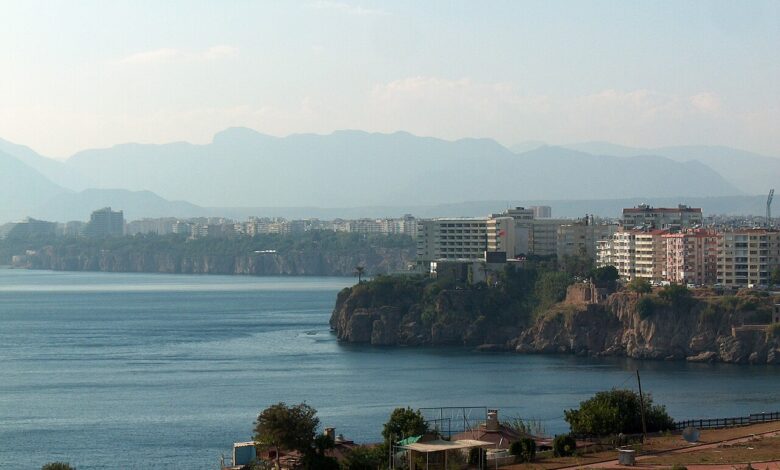
ANTALYA, Türkiye — Governments, scientists and civil-society groups gather in Antalya beginning Nov. 9 for COP31, the United Nations climate conference running through Nov. 20. The meeting arrives amid worsening heat, drought, floods and wildfire losses in many regions. Its test will be whether countries can translate existing climate commitments into financing, adaptation and emissions cuts that can be measured—not simply issue another declaration.
The conference is the 31st meeting of parties to the UN Framework Convention on Climate Change. The United Nations’ COP31 page confirms the dates and venue. The World Meteorological Organization says it will bring climate observations and its annual State of the Climate update to the talks. Those scientific assessments can help negotiators compare pledges with what the atmosphere, oceans and land are recording.
Three questions will shape the negotiations
First, how quickly can emissions fall? Countries have pledged reductions through their national plans, but the pace and policies vary. Negotiators will need to assess whether the pledges align with the Paris Agreement’s temperature goals and what support is available for countries whose economies depend heavily on fossil fuels. A summit cannot set domestic energy policy by itself, but its agreements can set shared expectations and reporting frameworks.
Second, how will vulnerable communities adapt? Heat-health systems, flood defenses, drought planning and resilient agriculture require sustained investment. Adaptation is harder to measure than a power plant’s emissions, yet it can save lives and reduce future losses. The central question is not whether adaptation is needed, but who pays, who decides priorities and how projects reach communities rather than remaining in national plans.
Third, how will climate finance be delivered? Developing countries have argued that climate risks are growing faster than the funding available to prepare for them. Donor governments point to budget constraints and the need for private investment. Both sides have a point: public finance is limited, but private capital does not automatically flow to the poorest or most climate-exposed regions. The conference will be judged in part by whether financing is predictable, accessible and transparently reported.
Science is a guide, not a negotiation tactic
The WMO’s role is to provide observations and scientific assessments, not to negotiate political compromises. Its climate indicators cover atmospheric concentrations, temperatures, oceans, ice and extreme events. These measures help establish what is changing, but attribution of any single storm or drought requires careful scientific analysis. Climate change can alter the probability or intensity of some extremes without being the only cause of a particular event.
That distinction is important in news coverage. A severe flood in one country may be made more likely or damaging by a warmer atmosphere, while exposure, land use, drainage and preparedness shape the losses. A drought may be worsened by changing rainfall patterns and also by water management or crop choices. Policymakers need both climate science and local risk data to choose effective interventions.
Politics and participation
Climate diplomacy takes place amid conflict, energy insecurity and economic competition. Governments may support the long-term goal of reducing emissions while disputing who should move first or how fast. Fossil-fuel producers are present; climate-vulnerable states are present; businesses and civil society seek influence. The result is not a neutral scientific formula but a negotiated agreement shaped by national interests and international pressure.
Public participation also matters. Communities affected by mining, dams, heat or displacement need meaningful space to describe the impacts of climate decisions. Organizers of COP31 have scheduled thematic days and events around implementation, resilience and cities; the official conference programme shows the evolving schedule. Attendance at a summit does not mean those communities will control the final text, so transparency about access and consultation is essential.
The talks will also revisit loss and damage: the consequences that cannot be prevented by mitigation or adaptation alone. The challenge is designing support without turning assistance into an opaque pledge. Governments need to report how much money is committed, how much is delivered, whether it is a grant or loan, and which communities benefit. Disagreement over accounting can obscure the real value of support.
What would count as progress?
Concrete progress would include clear deadlines for stronger national plans, better climate-risk data, dependable adaptation funding and transparent tracking of emissions and finance. Progress would also mean fewer barriers for local governments and communities to access funds. A successful COP is not measured only by the final communiqué; it should create mechanisms that allow people to check whether promises are kept.
Antalya begins just one day after this article’s publication, so no summit outcome can yet be reported. The coming fortnight will bring new proposals, disputes and perhaps breakthroughs. Readers should distinguish an opening speech from a negotiated decision and a pledge from delivered funding. The climate crisis will not be solved in one conference, but a credible meeting can make the path from political commitments to practical protection more visible—and make it harder for governments to claim progress without evidence.