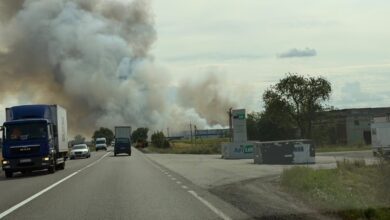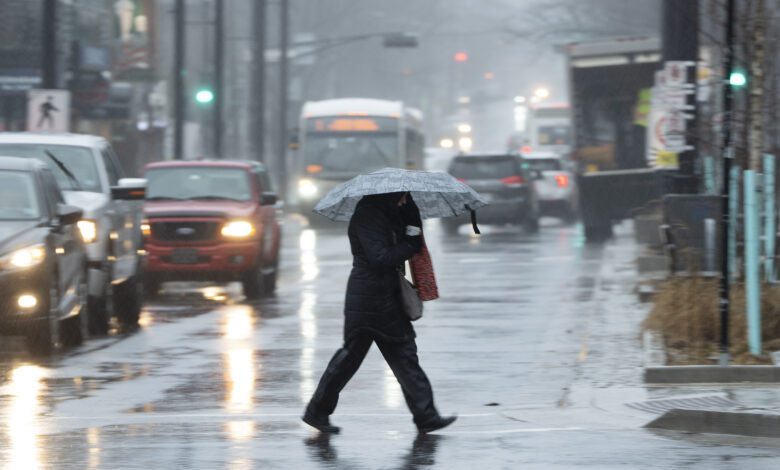
Four Canadian catastrophes during July and August 2024 generated more than C$7 billion in insured losses, making that summer the most destructive season on record at the time. Flooding, the Jasper wildfire and a severe Calgary hailstorm produced more than a quarter-million claims.
The figure covered insured damage
Catastrophe Indices and Quantification estimated payments for homes, vehicles and businesses covered by private policies. It did not include uninsured property, public infrastructure, lost income or health and environmental costs.
Total social damage was therefore greater than the headline number.
Calgary hail was the largest event
An August storm damaged vehicles, roofs and property across the city in little more than an hour. Later estimates placed insured losses near C$3 billion.
Hail illustrates how a brief, geographically concentrated event can create enormous claims when it crosses a dense urban area.
Jasper suffered fire destruction
The wildfire forced residents and visitors to evacuate and destroyed structures in the national-park townsite. Insurance costs did not capture displacement, ecological damage or the effect on tourism and community life.
Rebuilding in a fire-prone landscape required both recovery and resilience standards.
Flooding struck major metropolitan regions
Storms flooded homes, roads and transit in the Greater Toronto Area, while remnants of Hurricane Debby brought exceptional rain to Quebec. Basement flooding exposed gaps in drainage, overland-water coverage and household preparedness.
Flood maps and policy exclusions can determine whether two neighbouring owners receive very different compensation.
Claim volume strained the system
More than 250,000 claims in a short period exceeded what insurers normally handle across an entire year. Adjuster availability, repair labour and materials became potential bottlenecks.
Fast service still required fraud controls and fair documentation rather than automatic payment of every estimate.
Climate change altered risk
No single storm is caused by one factor, but warmer conditions can intensify heavy rainfall, wildfire weather and some severe-event hazards. Growing exposure and expensive property also increase losses.
Attribution science and insurance trends should be explained together without claiming they are identical.
Premiums and availability could be affected
Repeated high losses influence insurer pricing, deductibles and willingness to cover some hazards. Reinsurance costs distribute risk globally but ultimately affect consumer premiums.
Affordability policy must avoid encouraging construction in places where danger cannot reasonably be reduced.
Adaptation offered a practical response
Improved drainage, resilient roofs, fire-resistant materials, defensible space, warnings and updated building codes can reduce future losses. Governments need transparent hazard maps and funding that reaches vulnerable households.
The C$7 billion summer was both an insurance record and a public-infrastructure warning. Prevention should be measured by avoided harm, not only by how efficiently claims are paid after the next disaster.
Households could review sewer-backup and overland-flood endorsements, photograph belongings and follow local emergency alerts. Those personal steps cannot compensate for inadequate drainage, forest management or land-use rules. Governments and insurers should share usable risk information before purchase so residents understand both danger and exclusions, while assistance programs protect people who cannot afford private mitigation.
Recovery data should guide the next round of prevention spending.