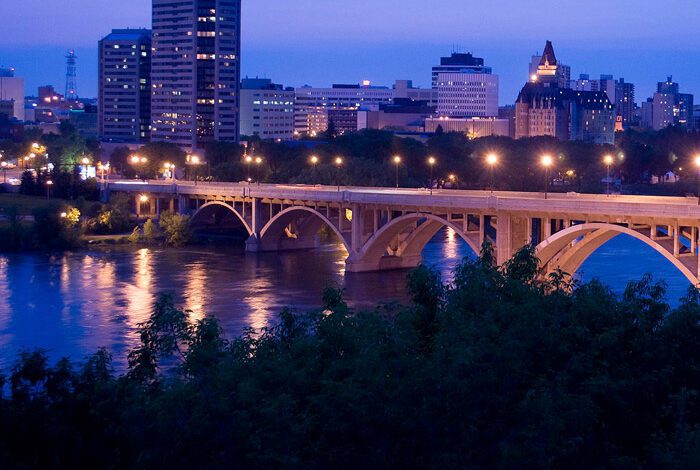
Saskatoon and Regina were confronting the consequences of sustained population growth in 2024: tighter housing, greater demand for transit, social pressures and expectations for amenities associated with larger urban centres. Former Saskatoon planning director Alan Wallace described the moment as a shift from a small-city outlook toward planning for medium-sized and potentially larger cities.
Growth changes more than a population figure
Thousands of new residents can expand the labour force, tax base and cultural life of a city. They also need homes, schools, clinics, roads, water capacity and reliable transport. Infrastructure that felt adequate under a slower-growth assumption can become congested before a large project is approved and built.
The central planning challenge is timing. Waiting until every route is crowded or housing is unaffordable makes expansion more expensive. Building far ahead of demonstrated need can burden taxpayers. Population scenarios, transparent capital plans and frequent updates allow councils to stage investment rather than choose between neglect and a single dramatic project.
Saskatoon’s transit discussion
Wallace and Saskatoon planning director Lesley Anderson pointed to bus rapid transit as an example of a larger-city response. BRT can give buses dedicated or priority movement, frequent service and recognizable stations without the fixed tracks of rail. Routes and vehicles can be adjusted as development changes.
A label alone does not guarantee rapid service. Travel-time savings depend on lane priority, signal treatment, stop spacing, frequency and connections. Cities should publish expected ridership, construction costs, operating funding and accessibility outcomes, then compare them with actual performance after launch.
Housing and complete neighbourhoods
Growth can expose a shortage of rental homes and entry-level ownership while pushing development farther from jobs. Anderson argued that Saskatoon’s practice of planning neighbourhoods with amenities as a package gave it a useful foundation. Schools, parks, shops, sidewalks and transit need to arrive close enough to housing that residents are not forced into long car trips for every task.
More homes can be accommodated through a mixture of new neighbourhoods and infill around established services. Each approach has trade-offs. Outward expansion requires pipes and roads; infill can reduce per-person infrastructure needs but must be designed with trees, drainage and community facilities.
Downtown investment and public value
Wallace cited earlier strategic projects such as Saskatoon’s River Landing and removal of the Canadian National Railway main line from downtown to argue that cities benefit from long-term decisions. He also supported investment capable of making downtown more attractive to residents and visitors.
Major civic projects should still be tested against alternatives. Councils need realistic attendance and revenue assumptions, complete borrowing costs, operating obligations and a clear account of who benefits. A landmark may support a downtown, but housing, public safety, transit and basic maintenance cannot be treated as secondary.
A bigger-city mindset with local accountability
Saskatoon and Regina do not have to imitate Calgary or Edmonton in every respect. Their scale, budgets and urban form differ. They can learn from larger cities’ successes and mistakes while preserving shorter travel distances and neighbourhood cohesion.
Shedding a “small city mentality” should mean planning for foreseeable demand, not pursuing size for its own sake. The useful measures are housing affordability, commute time, service reliability, infrastructure condition and whether residents across incomes can share in growth. Population creates the need for change; careful local decisions determine whether that change improves daily life.