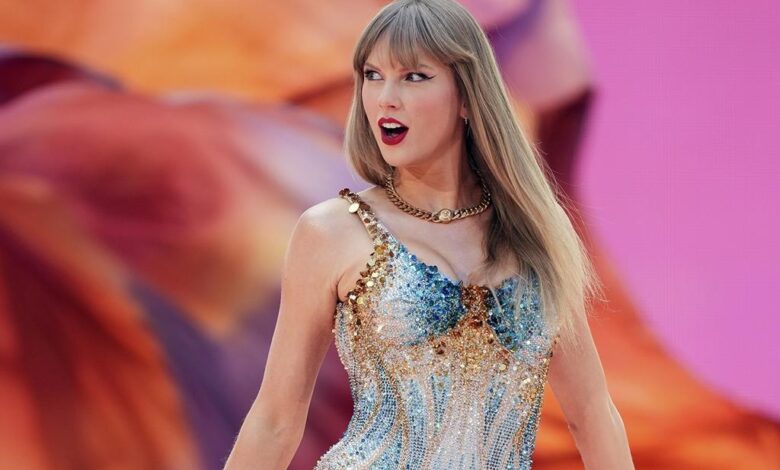
Destination Toronto estimated that Taylor Swift’s six Eras Tour concerts would generate more than $282 million in economic activity in Toronto. The shows were scheduled for November 14, 15, 16, 21, 22 and 23 at Rogers Centre.
What the estimate included
The tourism agency projected more than $152 million in direct spending. Approximately $141 million, or 93 per cent, was expected to come from visitors from outside Toronto, while local concertgoers were expected to spend about $11 million.
Direct spending covered items such as hotels, restaurants, shopping, local transport, entertainment and admission to the Taylgate fan event. Destination Toronto said concert tickets and airfare were not part of its calculation, an important boundary when interpreting the total.
From spending to economic impact
The larger $282-million figure was not a cheque to the city, the performer’s revenue or a measure of profit. It included the effect of visitor money circulating through wages, purchases from suppliers and subsequent household spending.
Economic-impact models use assumptions about how much money remains in the region. They can describe the scale of an event but should not be treated as a precise final accounting, particularly when local residents may redirect money they would otherwise have spent elsewhere in Toronto.
A large influx of visitors
About 240,000 people were expected to attend the six concerts. More than 60,000 were also projected to visit Toronto’s Version: Taylgate ’24 at the Metro Toronto Convention Centre, while family members and other travel companions increased the number of visitors who did not have concert tickets.
The City of Toronto later said as many as 500,000 visitors could be present over the nearly two-week concert period. That scale required crowd, transit, traffic and emergency planning beyond the stadium itself.
Hotels and the shoulder season
As of September 29, downtown hotel bookings for the concert dates were pacing almost 83 per cent ahead of the same point a year earlier. Bookings across the city were running nearly 36 per cent ahead, according to Destination Toronto.
The November timing mattered because business travel was winding down before holiday leisure demand reached its peak. Concentrated demand could support hospitality jobs and smaller businesses, although unusually high room prices also made the trip less accessible for some fans.
Tax revenue and public costs
The initial forecast projected close to $40 million in revenue for all three levels of government. That was separate from direct visitor spending and did not mean Toronto itself would receive the whole amount.
A later city briefing note reported $39.7 million in government revenue connected with the event. Toronto’s share was about $8 million, while the city spent nearly $4 million on services such as transit, policing and event operations. The figures illustrated why an event can benefit the wider economy while producing a smaller fiscal return for the host municipality.
What later evidence showed
More than 240,000 fans ultimately attended the Toronto shows. A city analysis said hotel occupancy reached 80.5 per cent in November 2024, 9.6 percentage points above November 2023, and demand for short-term rentals also rose sharply during the event.
Those results supported the view that the concerts delivered a substantial visitor-economy boost. They did not prove that every dollar was new activity or that every business benefited equally.
A measured reading of the headline
The $282-million number was a defensible tourism estimate with a clearly defined direct-spending component, not a guaranteed profit forecast. Its strongest evidence was the unusually high share attributed to out-of-town visitors, who brought money that would otherwise have been spent elsewhere.
The lasting lesson was broader than one artist: major events can fill rooms, restaurants and transit outside peak season, but public reporting should distinguish attendance, direct spending, multiplied economic impact, tax receipts and municipal costs. Those measures answer different questions and should not be collapsed into one headline figure.