DRC Bundibugyo Ebola Outbreak at Six Months: 11,300 Cases and Response Gaps

Six months after the Democratic Republic of the Congo declared its Bundibugyo Ebola epidemic, the latest figures show both the scale of failure and the value of the response work that has survived conflict. More than 11,300 cases and about 5,500 deaths had been reported by November 17, the World Health Organization said. Between 400 and 500 new cases were still being recorded each week.
This is a new phase of a story EnvoyPost has followed since the outbreak began. Earlier updates documented the first provinces affected, the rise past 6,000 cases and the start of treatment research. The six-month assessment adds several important facts: cases have more than doubled in three months, children account for a disproportionate share of deaths, imported outbreaks in Kenya and Nigeria have been contained so far, and candidate Bundibugyo vaccines are moving toward trials.
Where the outbreak stands
WHO reported infections across 67 health zones in eight Congolese provinces. Rapid transmission has been halted in several early epicentres and new cases in Bunia have fallen, but the epidemic is still expanding in some locations. That mixed picture is why a decline in one city cannot be announced as the end of the emergency.
Testing capacity has grown from two laboratories at the start to more than two dozen. Nearly 2,000 treatment beds are available, and around 3,000 people have recovered. Those are meaningful achievements. At the same time, two-thirds of confirmed deaths are still occurring outside Ebola treatment centres, a sign that many patients are identified too late for safe isolation and timely supportive care.
Children are carrying an exceptional burden
Children represent more than a quarter of confirmed cases and roughly one-third of deaths, according to WHO’s November 17 briefing. About seven in ten confirmed patients under five have died. Malnutrition, delayed presentation and limited paediatric care can all worsen outcomes.
These figures should not be used to imply that Ebola is uniquely a childhood disease. They show that a health emergency interacts with ordinary vulnerabilities. Families may face long journeys to treatment, fear isolation or distrust responders. Clinics also have to keep maternal care, malaria treatment, routine vaccination and nutrition services running. An Ebola programme that drains every other service can create additional deaths that never appear in the Ebola count.
Insecurity is giving the virus room to move
WHO said an attack on Cantine-Aloya earlier in November killed 66 civilians, including three health workers, and caused more than 1,000 contacts to be lost to follow-up. A nurse was killed in another attack while responding to an alert in Tshopo province. Facilities have been looted or burned, and health workers have protested delayed pay.
Contact tracing depends on daily, trusted access. When roads are unsafe or staff flee, a list of exposed people becomes obsolete quickly. Armed protection can sometimes secure a site, but it cannot replace community relationships. Residents need clear information about what happens during testing, isolation and burial, and frontline workers must be paid reliably.
Cross-border cases offer a cautious lesson
Kenya reported nine cases linked to an imported infection, including two deaths. Its last patient has been discharged and the country has started the 42-day countdown used to determine whether transmission has ended. Nigeria reported one imported case. Rapid detection and management prevented a larger outbreak in both countries as of the latest update.
That success supports surveillance and preparedness, not blanket travel bans. WHO says broad restrictions can damage livelihoods, obstruct responders and discourage transparent reporting. Targeted screening, laboratory readiness and fast investigation of relevant symptoms and exposures are more useful than treating travellers from an entire region as dangerous.
Vaccine and treatment research
More than 900 people are enrolled in therapeutic trials. A vaccine study began in October using Ervebo, which is licensed against Zaire ebolavirus but not specifically against Bundibugyo virus. Two candidate vaccines designed for Bundibugyo are expected to join the trial. Participation in a trial is not proof that a product works; controlled research is needed precisely because effectiveness and safety must be established.
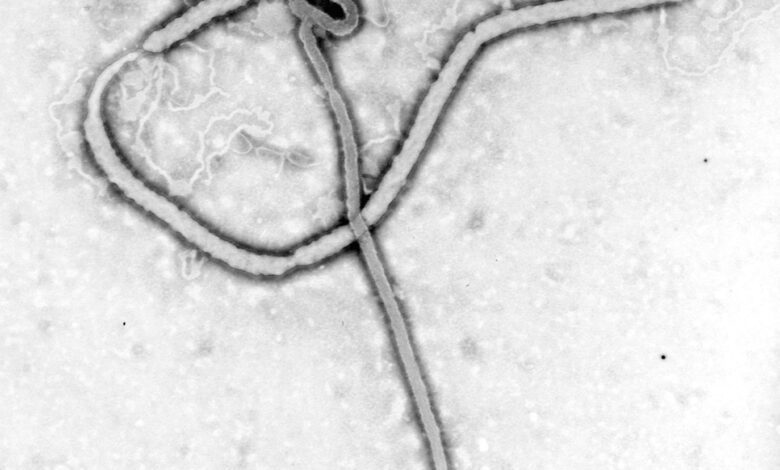
Until better tools are proven, the measures that save lives remain familiar: early care, contact follow-up, isolation, infection control and safe, dignified burials. Ebola spreads through direct contact with infected blood or other bodily fluids and contaminated materials. It is not transmitted through ordinary long-distance airborne spread like measles.
The next measure of progress
The most revealing number may not be the cumulative total. It will be the share of cases found through known contacts and the share of patients reaching treatment before severe illness or death. Falling community deaths would show that surveillance and trust are improving.
The epidemic is not hopeless, but it is not controlled. Laboratory growth, recoveries and containment in Kenya and Nigeria show what organised public health can do. Persistent weekly cases, attacks and late detection show how quickly those gains can be lost.
Sources
- WHO Emergency Committee opening remarks, November 17, 2026
- WHO Disease Outbreak News detailed epidemiological update