Edmundo González, Venezuela’s Opposition Leader, Says He Was Forced to Sign Letter Recognizing Maduro
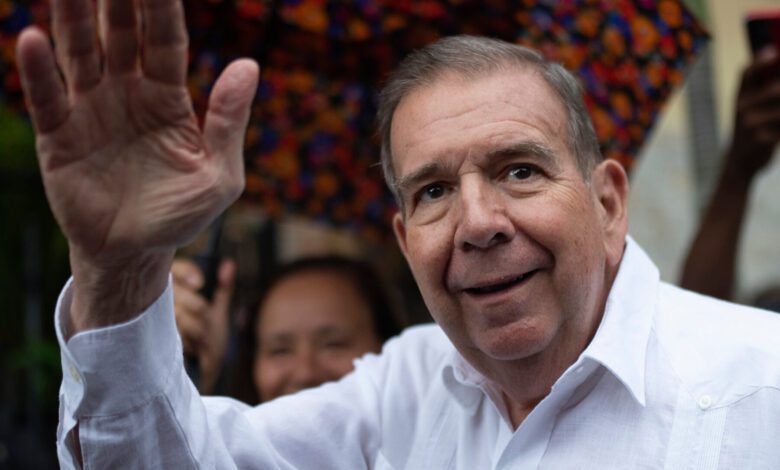
Venezuelan opposition candidate Edmundo González Urrutia said in September 2024 that he was forced to sign a letter accepting the country’s Supreme Tribunal ruling that validated Nicolás Maduro’s disputed election victory. Government negotiator Jorge Rodríguez rejected the allegation and said González signed voluntarily.
The document emerged after González left Venezuela
González took refuge at the Spanish ambassador’s residence and departed for Spain in early September after prosecutors obtained an arrest warrant. Spain granted him asylum.
He said officials presented the letter as a condition for permitting his departure.
The two sides gave incompatible accounts
In a video, González described tense hours of coercion, blackmail and pressure. He said he concluded he could serve voters more effectively while free than if imprisoned.
Rodríguez displayed the document publicly and threatened to release recordings unless González withdrew the claim of coercion.
The letter did not settle the election dispute
Venezuela’s electoral council declared Maduro the winner of the July 28 vote, and the Supreme Tribunal upheld that result. The council did not publish complete, precinct-level tally sheets needed for an independently reproducible national count.
The opposition published copies of records collected by its witnesses and said they showed a decisive González victory.
Independent observers raised serious concerns
The Carter Center said the election did not meet international standards of electoral integrity and could not be considered democratic. United Nations experts also reported that the results-management process lacked basic transparency and integrity.
Those findings made detailed official records essential.
Signing under alleged duress has limited evidentiary value
A private undertaking made while a person says liberty or safety depends on compliance is not a substitute for public vote data. Whether the alleged pressure invalidated the document is a legal question, but it plainly did not provide an independent audit of ballots.
Conversely, González’s account should be attributed rather than reported as an adjudicated fact.
The wider context included repression
Security forces arrested opposition figures and protesters after the vote, while prosecutors pursued González over publication of tally records. Human-rights organizations documented deaths, arbitrary detentions and due-process concerns.
Maduro’s government said it was responding to violence and plots against the state.
International reactions varied
Some governments and legislatures recognized González as the election’s winner or demanded release of full results. Others maintained relations with Maduro or called for negotiations without formally endorsing either claim.
Diplomatic recognition cannot itself count votes.
What verification required
A trustworthy resolution required disaggregated polling-station results, access for independent observers, preservation of election materials and meaningful legal review. Publicly releasing those records would allow competing totals to be tested.
The letter controversy exposed the power imbalance surrounding González’s exit, but the democratic question remained the same: which tally is supported by verifiable records? Reporting should keep the government’s version, the opposition’s evidence and independent assessments clearly separated instead of treating an asserted concession as proof.
Readers also deserve dates on every claim because recognition and legal proceedings changed rapidly after the election.
Documents, recordings and witness accounts concerning his departure may help evaluate the coercion allegation, but none can replace a transparent publication and independent comparison of polling-station returns from across Venezuela.