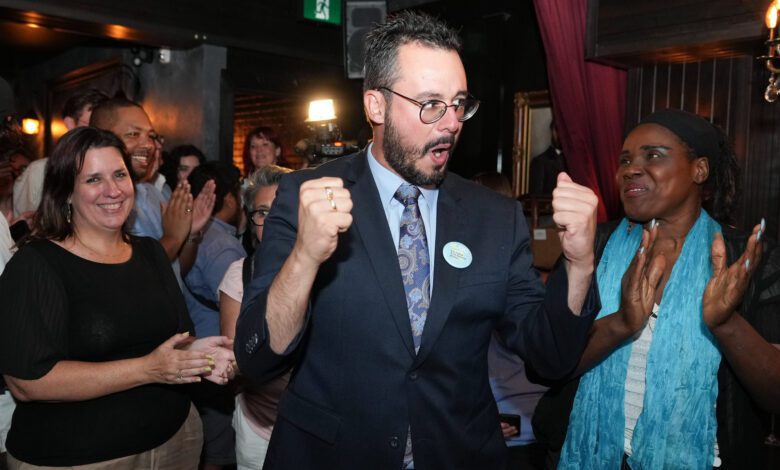
Prime Minister Justin Trudeau’s Liberals lost the Montreal riding of LaSalle—Émard—Verdun to the Bloc Québécois in a September 16, 2024 byelection. The narrow defeat followed the party’s June loss in Toronto—St. Paul’s, another seat it had long treated as safe.
The margin was 269 votes
Official Elections Canada results gave Bloc candidate Louis-Philippe Sauvé 8,925 votes, or 28.2 per cent. Liberal candidate Laura Palestini received 8,656, or 27.3 per cent.
The NDP’s Craig Sauvé finished a competitive third, making the contest a close three-way race.
A former justice minister had held the seat
The vacancy followed David Lametti’s resignation from Parliament. Liberals had won the area’s predecessor ridings for most of many decades, and Lametti took LaSalle—Émard—Verdun comfortably in the three previous general elections.
That history made even a narrow opposition win politically potent.
The result followed a Toronto warning
In June, Conservatives captured Toronto—St. Paul’s, another urban Liberal stronghold. Losing seats in both Toronto and Montreal suggested that dissatisfaction could reach the party’s metropolitan base.
Byelections have lower turnout and local dynamics, so two defeats could not predict every general-election riding.
The Bloc gained the clearest benefit in Quebec
Yves-François Blanchet’s party demonstrated that it could compete in a diverse southwest Montreal seat rather than only its more familiar Quebec constituencies. The victory increased Bloc leverage in a minority Parliament.
It did not mean the Bloc had become the automatic choice throughout Montreal.
Liberal nomination choices drew scrutiny
Palestini was selected by the party rather than through a fully open local nomination contest, prompting complaints from prospective candidates. Central parties may have legal authority to appoint a candidate, but local participation can affect volunteer energy and legitimacy.
That factor existed alongside national frustration with Trudeau’s government.
The NDP result complicated the message
New Democrats had hoped to capitalize after ending their supply-and-confidence agreement with the Liberals. Their strong but third-place performance split the anti-Liberal contest and showed support without producing a seat.
Voters were choosing local candidates as well as judging federal leaders.
One seat did not topple the government
The Liberals remained in office and could survive confidence votes with support from another party. The Bloc’s added MP changed the arithmetic only incrementally.
The larger effect was political pressure on Liberal strategy and Trudeau’s leadership.
Official results matter more than election-night estimates
Some early reports used slightly different vote totals while validation continued. Final reporting should rely on Elections Canada’s confirmed 8,925-to-8,656 result and distinguish it from preliminary counts.
The defeat was Trudeau’s second symbolic loss in three months, but the evidence supported a measured conclusion: voters in one formerly secure Montreal riding produced a fragmented, competitive result and chose the Bloc by less than one percentage point.
For the Liberals, rebuilding required more than calling the outcome close. The party needed to understand affordability concerns, local organization, candidate selection and declining confidence. For rivals, the narrow totals warned against assuming the general election was already decided.