
Nepal Flood Toll Reaches 162 as Rescuers Search Shattered River Corridors

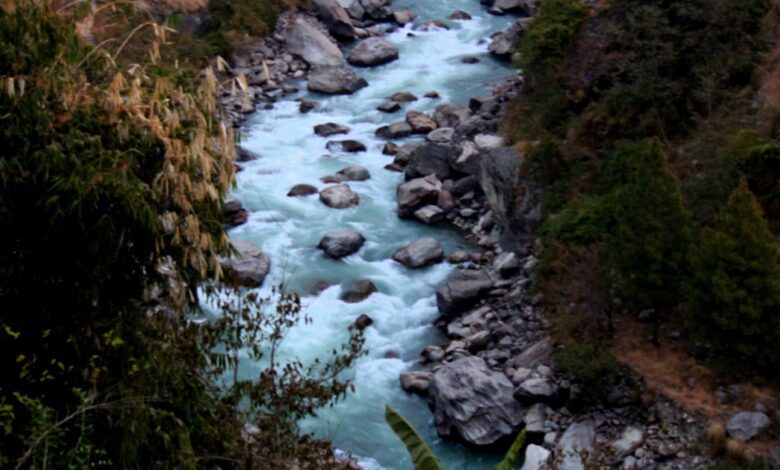
Nepal’s emergency services were searching riverbanks, buried settlements and severed transport corridors on Thursday after a catastrophic flash flood killed at least 162 people and left hundreds unaccounted for. The disaster began in the northern Rasuwa district and travelled rapidly through the Bhote Koshi and Trishuli river systems, spreading the recovery operation far beyond the initial impact zone.
The toll is a time-stamped minimum rather than a final count. Nepal Police figures reported by the country’s public broadcaster early on August 27 recorded bodies recovered across eight districts: Rasuwa, Nuwakot, Dhading, Chitwan, Gorkha, Tanahun, Nawalparasi East and Nawalparasi West. Forty-one injured people were receiving hospital treatment at that stage.
Search area spans hundreds of kilometres
The distribution of fatalities shows how quickly the flood wave carried water, mud, boulders and debris downstream. Chitwan had the largest number of recovered bodies in the early district breakdown, even though it lies well south of Rasuwa. That does not necessarily identify where each victim was first swept away; identification and reconciliation of missing-person lists will take time.
Police deployed specialist search, canine, medical, legal-assistance and body-management teams. Other security agencies, helicopters and local responders were also involved. Damaged roads, collapsed bridges, disrupted communications and thick deposits of mud were slowing access to isolated communities.
Provisional lists have included Nepali residents, pilgrims, tourists, police personnel, customs staff and workers at hydropower and infrastructure sites. The lists are changing as survivors establish contact, duplicated names are removed and authorities compare records from hotels, tour operators, employers and border posts. For that reason, an unverified social-media list should not be treated as an official casualty register.
Disaster extends across the border
The same event affected Tibet on the Chinese side of the frontier. Chinese state media reported three confirmed deaths and 558 people missing there by Thursday morning, including foreign visitors. Those figures also remain provisional. Authorities on both sides are trying to determine whether people recorded near the border appear on more than one list.
The Nepali government requested rescue support from India and China. A rapid international response matters because the affected valleys serve as border routes, pilgrimage corridors and construction zones, and many families may not know which jurisdiction holds the most current record of a missing relative.
What residents should do
Authorities have urged people to remain away from the Bhote Koshi, Trishuli, Narayani and connected riverbanks, including stretches that appear calm. Upstream blockages can temporarily hold back water and debris before failing without much warning. Sightseeing near damaged banks also obstructs rescue vehicles and places additional people at risk.
Families reporting a missing person should provide one consistent set of identifying information: full name, nationality, passport or identity details where available, last confirmed location and time, tour or employer contact, and a recent photograph. Repeated reports with different spellings can complicate reconciliation.
The immediate priorities are finding survivors, treating the injured, identifying victims and restoring access. A reliable final account will require careful matching of multiple national and local records. Until then, every casualty and missing-person figure should be read with its reporting time attached.




