Iran Peace Proposal Rejected as Military Pressure Builds Around Hormuz

October 3, 2026 — The latest attempt to end the United States–Iran war has failed to produce an agreement, while new naval deployments and warnings of further strikes are increasing pressure around the Strait of Hormuz.
President Donald Trump said Iran’s latest proposal was not sufficient and suggested bombing could intensify after the November 3 US midterm elections, the Associated Press reported. Iranian officials said they had received an official US response. The full negotiating texts have not been made public, so claims about every condition should be treated cautiously.
The military backdrop is significant. A US official said deployments could put three aircraft carriers in the region later in October. Force movements can be intended as deterrence, preparation or both; they do not by themselves prove that a new operation has been ordered.
Why Hormuz remains central
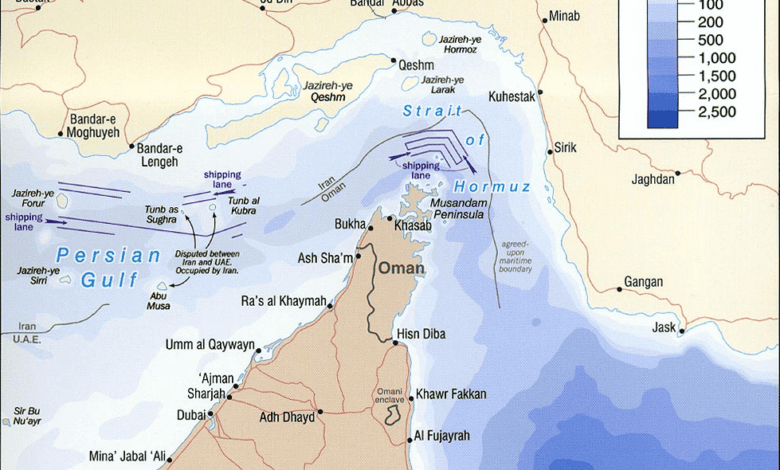
The Strait of Hormuz connects the Persian Gulf with the Gulf of Oman and carries a major share of internationally traded oil and gas. Disruption raises shipping costs, insurance rates and energy prices far beyond the immediate conflict zone. India and other import-dependent economies can feel the effects through fuel, freight, fertilizer and inflation.
A June peace arrangement had raised hopes for restored stability and reopening of the waterway. The renewed dispute shows that a ceasefire announcement and a durable settlement are different things. Verification, sanctions, navigation rights and sequencing remain difficult issues even when both sides say they want talks.
What is confirmed—and what is not
Confirmed developments include the public rejection of the latest offer, continued communication through official channels and additional US ships moving toward the region. The timing and scale of any future strikes remain uncertain. Assertions tying unrelated security incidents to Iran also require evidence from completed investigations.
Diplomacy can continue after a proposal is rejected; negotiation often proceeds through revised terms. The immediate risk is that political deadlines and military posturing narrow the space for compromise or create opportunities for miscalculation.
Readers should watch formal statements, shipping notices and independently verified military activity. Predictions that war will certainly expand—or certainly end—go beyond the available evidence.
Image: public-domain US government reference map of the Strait of Hormuz; it is not a live operational map.